

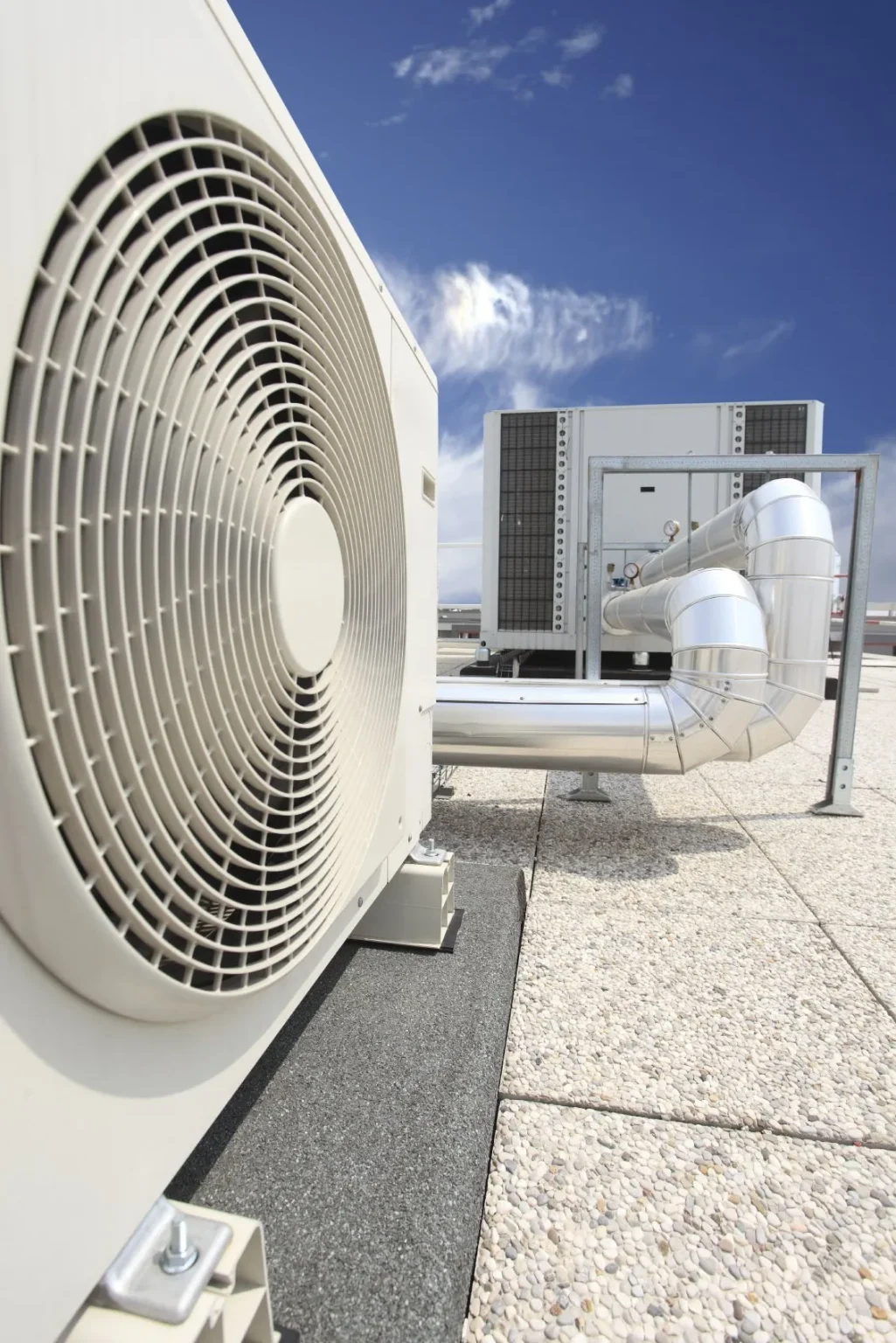
Signs Your HVAC System Size Is Wrong
If your home feels too hot in some rooms and too cold in others, or if your energy bills keep climbing, your HVAC system might be the wrong size. An incorrectly sized HVAC system can cause comfort problems, waste energy, and wear out faster than it should. The good news is that there are clear signs that can tell you if your system is too big or too small for your home.
Having the right size HVAC system is like wearing shoes that fit perfectly. When they’re too big, they flop around and cause blisters. When they’re too small, they pinch and hurt. Your heating and cooling system works the same way – it needs to be just right for your home’s size and needs.
In this article, we’ll explore the signs that your HVAC system might be too big or too small. We’ll also explain why proper sizing matters and what you can do if you suspect your system isn’t the right fit for your home.
Table of Contents
Why HVAC System Size Matters
The size of your HVAC system affects how well it heats and cools your home. When we talk about “size,” we don’t mean how big the unit looks. We mean how much heating or cooling power it has, measured in BTUs (British Thermal Units) or tons.
A properly sized HVAC system should run for about 15-20 minutes per cycle and turn on and off 2-3 times per hour when it’s very hot or cold outside. This is called the “duty cycle,” and it’s important for keeping your home comfortable and your energy bills reasonable.
Problems with Oversized Systems
An HVAC system that’s too big will cool or heat your home too quickly. This might sound good, but it actually causes problems:
– Short cycling: The system turns on and off too frequently, which wastes energy and puts wear on parts.
– Poor humidity control: The system doesn’t run long enough to remove moisture from the air, leaving your home feeling clammy.
– Temperature swings: You’ll feel hot and cold spots because the system doesn’t run long enough to distribute air evenly.
– Higher energy bills: Starting up uses more energy than running steadily, so frequent on/off cycles waste electricity.
– Shorter system life: All that starting and stopping wears out parts faster.
Problems with Undersized Systems
A system that’s too small has its own set of issues:
– Constant running: The system works non-stop trying to reach the temperature on your thermostat.
– Never comfortable: Your home may never reach the temperature you want, especially on very hot or cold days.
– Overworked components: Parts wear out faster because they never get a break.
– High energy bills: The system runs constantly, using more electricity or gas.
– Uneven temperatures: Some rooms may never get comfortable, especially those farthest from the unit.
Signs Your HVAC System Is Too Big
If your HVAC system is oversized, you’ll notice several telltale signs. These symptoms often appear soon after installation or during extreme weather conditions.
Short Cycling
The most obvious sign of an oversized HVAC system is short cycling. This happens when your system turns on, quickly reaches the set temperature, and then shuts off – only to repeat the process a few minutes later.
Normal cycles should last 15-20 minutes. If your system runs for just 5-10 minutes before shutting off, it’s likely too powerful for your space. This constant starting and stopping is hard on your equipment and wastes energy.
High Humidity Levels
Your air conditioner doesn’t just cool the air – it also removes humidity. But to do this effectively, it needs to run for a certain amount of time. An oversized system cools so quickly that it doesn’t run long enough to dehumidify properly.
If your home feels clammy or muggy even when the air conditioner is running, or if you notice condensation on windows, your system might be too big. Some people even buy separate dehumidifiers because their AC isn’t doing the job.
Noisy Operation
Oversized systems tend to be louder than properly sized ones. The powerful startup can cause noticeable banging or rushing air sounds. You might hear the system “roaring” to life, then shutting down just a few minutes later.
These loud cycles can be disruptive, especially at night when you’re trying to sleep. A properly sized system should operate more quietly and steadily.
Large Temperature Swings
With an oversized system, you might notice that your home feels too cold right after the AC runs, then gets too warm before it kicks on again. These temperature swings happen because the system cools too quickly and then stays off too long.
You might find yourself constantly adjusting the thermostat trying to find a comfortable setting. This is a clear sign that your system isn’t properly matched to your home’s needs.
Signs Your HVAC System Is Too Small
An undersized HVAC system struggles to keep up with your home’s heating and cooling demands. Here are the signs that your system might be too small for your space.
System Runs Constantly
If your HVAC system seems to run forever without stopping, especially during very hot or cold weather, it’s likely too small. A properly sized system should cycle on and off throughout the day, not run continuously for hours.
This constant operation puts extra strain on all components and dramatically shortens the life of your system. It’s like running a car at full speed all the time – eventually, something will break down.
Can’t Reach Set Temperature
One of the most frustrating signs of an undersized system is that your home never reaches the temperature you set on the thermostat. You might set your thermostat to 72°F, but your home stays at 76°F or 78°F on hot days.
This happens because your system simply doesn’t have enough capacity to overcome the heat gain in your home. No matter how long it runs, it can’t keep up with demand.
Uneven Temperatures Throughout Home
With an undersized system, you’ll notice significant temperature differences between rooms. Areas closer to the HVAC unit might feel comfortable, while rooms farther away remain too hot or too cold.
You might find yourself closing doors to unused rooms or using fans to try to move air around. These are temporary fixes for a fundamental problem – your system doesn’t have enough power to condition your entire home properly.
Rising Energy Bills
Despite never reaching comfortable temperatures, an undersized system will still drive up your energy bills. Because it runs constantly, it uses more electricity or gas than a properly sized system that cycles on and off.
If you’ve noticed your energy bills climbing steadily, especially during extreme weather, your undersized HVAC system could be the culprit.
Factors That Affect Proper HVAC Sizing
Many factors determine the right size HVAC system for your home. Understanding these can help you see why a one-size-fits-all approach doesn’t work.
Home Size and Layout
The square footage of your home is the starting point for sizing an HVAC system, but it’s not the only consideration. A 2,000-square-foot home with an open floor plan needs different heating and cooling than a 2,000-square-foot home with many small rooms.
High ceilings also affect sizing calculations. A room with 10-foot ceilings has 25% more air volume than the same room with 8-foot ceilings, requiring more heating and cooling capacity.
Insulation Quality
Well-insulated homes retain heated or cooled air better, allowing for smaller HVAC systems. Poorly insulated homes leak conditioned air, forcing systems to work harder.
The age of your home often indicates insulation quality. Newer homes typically have better insulation standards than older ones, though renovations may have improved older homes.
Window Efficiency
Windows can be a major source of heat gain in summer and heat loss in winter. The number, size, and quality of your windows significantly impact HVAC sizing needs.
Single-pane windows allow much more heat transfer than double-pane or energy-efficient windows. South-facing windows receive more direct sunlight, increasing cooling needs in summer.
Climate Zone
Your local climate plays a huge role in determining the right HVAC size. Homes in extreme climates need more powerful systems than those in moderate climates.
A home in Phoenix, Arizona needs more cooling capacity than an identical home in San Francisco, California. Similarly, homes in northern states need more heating capacity than those in southern states.
Number of Occupants
People generate heat and humidity. A home with many occupants needs more cooling capacity than a similar home with fewer people.
Each person adds about 250 BTUs of heat to a home, which might not sound like much, but it adds up quickly in a household of four or five people.
What to Do If Your HVAC System Is Incorrectly Sized
If you suspect your HVAC system is the wrong size, there are several steps you can take to address the problem.
Get a Professional Assessment
The first step is to have a qualified HVAC professional perform a load calculation on your home. This detailed assessment considers all the factors we discussed earlier to determine the right size system for your specific needs.
A proper load calculation follows the Air Conditioning Contractors of America (ACCA) Manual J standards. This isn’t a quick estimate based just on square footage – it’s a comprehensive evaluation of your home’s heating and cooling requirements.
Short-Term Solutions
While you’re deciding what to do about an incorrectly sized system, there are some temporary measures that can help:
For oversized systems:
– Use a programmable thermostat to reduce short cycling
– Add a whole-home dehumidifier if humidity is a problem
– Consider zoning systems to better control airflow
For undersized systems:
– Improve insulation and seal air leaks
– Use ceiling fans to help distribute air
– Add window treatments to reduce heat gain
– Consider supplemental heating or cooling for problem areas
Long-Term Solutions
Eventually, you’ll need to address the fundamental problem. Long-term solutions include:
– System replacement: If your system is old or very incorrectly sized, replacing it with a properly sized unit may be the most cost-effective solution.
– Adding a second system: For large homes, sometimes adding a second, smaller system to handle specific zones works better than one large system.
– Ductwork modifications: Sometimes the problem isn’t the HVAC unit itself but improperly designed or installed ductwork.
– Home improvements: Better insulation, new windows, and other energy-efficiency upgrades can change your home’s heating and cooling needs.
Cost Considerations
Addressing an incorrectly sized HVAC system involves costs, but so does keeping the wrong system:
– An oversized system costs more upfront and wastes energy throughout its shortened lifespan.
– An undersized system costs less initially but wastes energy trying to keep up and will need replacement sooner.
– The most cost-effective approach is usually to fix the problem, even if it means replacement.
Remember that energy savings from a properly sized system will help offset the cost of replacement over time.
FAQ About HVAC System Sizing
How is HVAC system size measured?
HVAC systems are measured in tons for cooling capacity (1 ton = 12,000 BTUs per hour) and BTUs for heating capacity. A typical home might need between 1.5 to 5 tons of cooling, depending on size and other factors. This doesn’t refer to weight but to cooling capacity.
Can I determine the right size HVAC system myself?
While you can find online calculators that give rough estimates based on square footage, these are not reliable for final sizing decisions. Professional load calculations consider many factors beyond square footage and provide much more accurate results.
How much does HVAC sizing affect energy bills?
Significantly. An oversized system might use 10-20% more energy due to short cycling. An undersized system might use 30-40% more energy because it runs constantly. A properly sized system can save hundreds of dollars annually on energy costs.
Will a bigger HVAC system cool my house faster?
Not necessarily. While a larger system might cool the air faster, it won’t run long enough to properly dehumidify or distribute the air evenly. This results in a home that feels clammy and has hot and cold spots, despite reaching the set temperature quickly.
How often should I have my HVAC system size evaluated?
You should have your HVAC system size evaluated:
– When replacing your existing system
– After major home renovations that affect square footage
– After significant insulation or window upgrades
– If you’re experiencing any of the comfort issues mentioned in this article
Does a properly sized system cost more?
Not always. Oversized systems actually cost more upfront because larger equipment is more expensive. A properly sized system might save you money both initially and over time through energy savings and longer equipment life.
When to Call a Professional About HVAC System Size
If you’re experiencing any of the signs we’ve discussed – short cycling, humidity problems, uneven temperatures, or constantly running equipment – it’s time to consult with a professional HVAC technician.
A qualified technician can perform a proper load calculation and help you understand your options. They can also check for other issues that might be causing similar symptoms, such as ductwork problems or thermostat issues.
When selecting an HVAC professional, look for:
– Proper licensing and certification
– Experience with load calculations (specifically Manual J)
– Good reviews and references
– Detailed assessment process (not just a quick square footage estimate)
– Willingness to explain their recommendations
Don’t wait until your system fails completely to address sizing issues. The sooner you correct an improperly sized system, the more you’ll save on energy costs and future repairs.
Turn to HVAC Sizing Experts
If you’re in need of a professional assessment of your HVAC system size, contact Alamo Heating & Cooling today. Our experienced technicians can perform a detailed load calculation and help you determine if your current system is the right size for your home. We’ll provide honest recommendations and help you make the best decision for your comfort and budget. Call us to schedule your appointment and take the first step toward a more comfortable, energy-efficient home.