
Clever Strategies for Energy Efficiency
As winter approaches, many homeowners start to worry about high energy bills. Heating your home is often the biggest part of the utility bill. Fortunately, there are practical ways on how to reduce heating costs.
You might feel overwhelmed by rising energy prices. But, many simple changes can lead to substantial savings. This guide shares methods, both big and small, to help lower your home’s heating energy needs and to learn how to reduce heating costs.
Understanding Your Heating Costs
Before looking at solutions, you might be asking how much is going towards heat. Heating accounts for a large part of home energy use. According to the Department of Energy, it’s typically about 29 percent of your utility bills.
Several factors influence these costs. These factors can be the size of your home, your local climate, and the energy efficiency of your heating system.
How to Reduce Heating Costs with Quick Wins
Some of the fastest ways to save money involve simple adjustments.
Adjust Your Thermostat
One simple thing you can do is adjust your thermostat setting. The Department of Energy states that lowering the thermostat by 7-10 degrees for 8 hours a day can save up to 10% on your heating bill. A smart thermostat can automatically adjust these changes for you.
Seal Air Leaks
Another simple thing to try is feeling around doors and windows for any drafts. Sealing air leaks prevents this heat loss. Caulking and weatherstripping are affordable options to seal leaks and save up to 10% on heating bills.
You can buy outlet sealers for electrical outlets, too. They stop drafts and are easy to use.
Use Curtains and Blinds Strategically
Using curtains and blinds helps to regulate the temperature. Opening them on sunny days lets in natural light and warmth. Closing blinds at night stops heat from going out the window.
Check and Clean Air Filters
Air filters collect dust and reduce the performance of a heating system. Changing air filters could cut your bill down by over 5%.
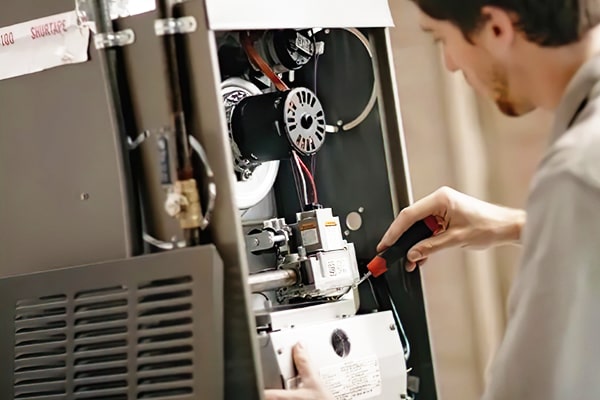
Regular HVAC maintenance keeps your system running efficiently.
Long-Term Investments to Cut Energy Use
If you want to seriously commit and cut down the cost of energy in the future, you can invest in these things.
Improve Insulation
Proper insulation is crucial for maintaining a consistent temperature. The DOE estimates that proper insulation and sealing air can reduce heating and cooling costs by up to 20%. Adding insulation, especially in the insulated attic, keeps warm air inside during winter.
Upgrade Your Heating System
If you are a homeowner and your HVAC unit is nearing the end of its life, then replacing it might save you more money long term. Newer, energy-efficient models tend to use much less energy. Old furnaces often have an AFUE below 70%, while new ones can exceed 90%.
An ENERGY STAR-certified heat pump may decrease your annual energy costs. They reduce annual energy bills by about $550 for a four-person household. You may be qualified for tax credits.
Consider Window Treatments
Windows can be a significant source of heat loss. Installing ENERGY STAR-certified replacements might assist you to decrease up to 13% on energy bills.
Another more affordable option is applying window film for extra warmth.
Get a Home Energy Assessment
Consider a professional energy assessment to determine where your house is wasting the most energy.
The Home Performance with Energy Star program connects customers with home contractors. These contractors do these inspections.
Additional Ways for Reducing Heating Bills
There are also smaller habits and extra measures you can try, in your quest for home efficiency. These could cut down energy costs. Here is an idea of things you can try around the house to save energy.
Manage Hot Water Use
Hot water usage is another big piece of the utility bill. The California Energy Commission notes that lowering your water heater to 120°F (from 140°F) can save up to 11% on water heating. Taking shorter showers can give savings of up to 33%.
Insulating water pipes can also help. Slipping foam sleeves around pipes, especially near exterior walls, helps to keep the water warmer for a longer time. Wrapping a heat jacket around your water heater can keep the hot water from dropping in temp as quickly, if utility services approve.
Use Ceiling Fans Wisely
Ceiling fans aren’t just for summer. Reversing the fan direction pushes warm air down. This is helpful as warm air rises and you want to push warm air back down.
Address Your Fireplace
Wood-burning fireplaces can be tricky when working out reducing heating costs. It is best to always seal a fireplace properly when you do not need it. Making sure that the fireplace damper is tightly closed to restrict airflow is essential when the fireplace is not in use.
Leverage Natural Light
Natural light can naturally raise the temps of a cold room in the winter. Allowing natural sunlight during the day heats the home naturally. Be sure to take advantage of any possible natural light for heating the home.
Addressing Regional and Fuel-Specific Concerns to Lower Heating Bills
Your location and heating fuel type do play a big role in cost planning. Different regions have different energy price trends.
Natural Gas Price Changes
Those who rely on natural gas for heat might need to be particularly attentive. For instance, residents in the Midwest using natural gas may experience an average increase of 11% in heating costs.
Consider a Heat Pump
Thinking about your climate is essential. In specific places, a heat pump might use much less fuel.
Tax Credits and Rebates Can Help With Lowering Heating Bills
Look into opportunities and look for available tax credits and rebates for energy-efficient upgrades.
Inflation Reduction Act Benefits
The Inflation Reduction Act provides tax credits. These help to cut your costs by improving energy proficiency at home. You may qualify for tax credits of up to 30% of the cost of adding better insulation to your home.
Energy Efficient Upgrades
Investments in energy-efficient appliances and home improvements can also offer financial incentives. Many energy programs will try to get you tax benefits.
Ways to Improve Cost Savings On Heating
Below is an organized view. Here is a look at simple changes you could consider versus investments.
| Action | Estimated Savings | Cost | Ease of Implementation |
|---|---|---|---|
| Lower thermostat 7-10°F for 8 hours/day | Up to 10% annually | Free (or cost of programmable thermostat) | Very Easy |
| Seal air leaks (caulking, weatherstripping) | Up to 10% | Low (cost of materials) | Easy |
| Clean Furnace Filter | Up to 5% Annually | Low (cost of materials) | Easy |
| Add insulation | Up to 20% (heating and cooling) | Moderate to High | Moderate (may need professional) |
| Lower water heater to 120 degrees | Up to 11% of Water Cost | Low (cost of materials) | Easy |
| Upgrade to energy-efficient heat pump | Up to $550 Annually | High (Upfront cost) | High (Requires Professional Install) |
By working on a method of both big and small ways, you get more proficiency. Doing good housekeeping makes a big difference over time with savings and reducing energy costs. Keep your focus on long-term value, by balancing the first investments and consider budget billing.
Take in possible savings in ways you prefer. Consider wearing wool socks for extra warmth, too.
Conclusion
You do not have to break the bank just so you have a warm space. Learning about how to reduce heating costs might feel scary, but is really easy. There are plenty of options like changing everyday routines and doing strategic improvements.
Taking these steps not only eases the load on your wallet but supports a greener lifestyle. A holistic plan can save on monthly costs while contributing to energy efficiency. By using simple changes along with long-term investments, you reduce heating costs and your home’s heating energy more effectively.
Contact us today for more information or to schedule a free consultation.