
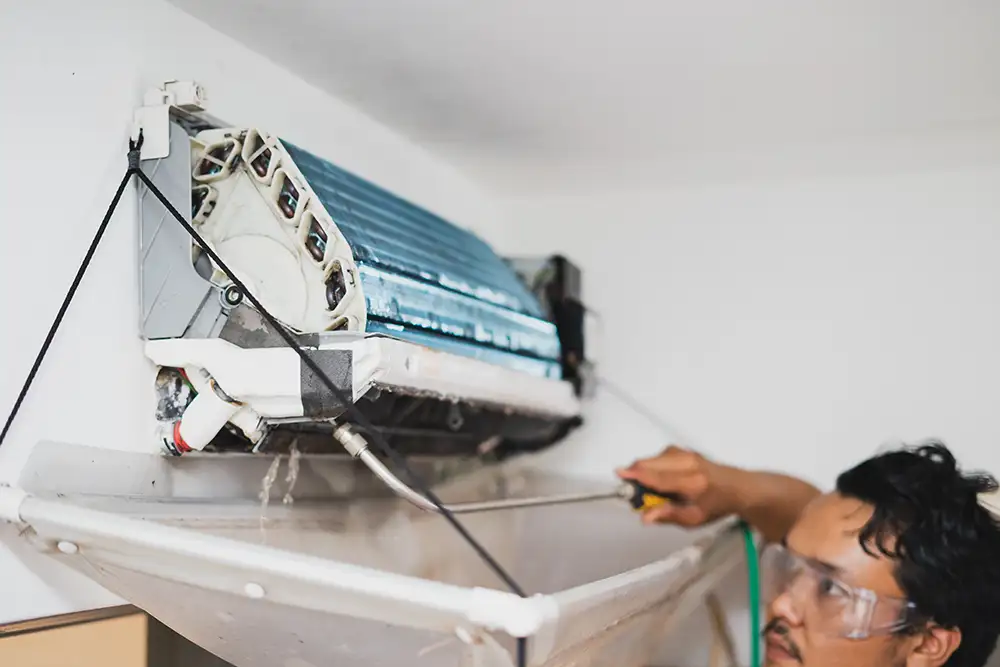
Ensure Peak Performance Without Complications
As the days get longer and warmer, many of us are eager to open windows and enjoy the fresh air. However, it’s also the perfect time to focus on AC spring preparation. This will keep you cool all summer long.
Getting your system ready for the hot temperatures does take some effort. But this preparation helps make your indoor environment as comfortable as possible when the heat really sets in.
Proper AC maintenance helps keep the system operating when you need it. It also saves money.
Why Bother with AC Spring Preparation?
Many homeowners sometimes overlook spring AC preparation. Their air conditioning system might have been working perfectly at the end of the previous season.
However, skipping this important maintenance can be problematic. Systems that haven’t been prepped can lead to higher energy bills due to the increased workload on an unserviced system.
An annual checkup before the cooling season is a proactive measure. Air conditioning units run more efficiently when all components are functioning correctly.
Check and Swap Out Those Air Filters
One of the most practical steps a homeowner can take is to inspect their air filters. Air filters are vital for capturing airborne particles.
These filters can become clogged with dust, pet hair, and debris. This significantly reduces airflow, causing the AC unit to work harder.
Replacing HVAC air filters improves the home’s indoor air quality, according to studies. Filters should be replaced at least every 90 days, or more often if you have pets. Replacing an air filter is a relatively inexpensive maintenance item for HVAC systems.
Giving the Outdoor Unit Some Attention
The outdoor unit often endures the harshest winter weather conditions. A buildup of twigs, leaves, and yard debris around the air conditioning unit is common.
Clear this clutter to give it the ability to ventilate properly. Maintain at least a two-foot clearance around the entire air conditioning unit.
If you covered the condenser coils during the winter, remove the cover now. While this covering provides protection in colder months, running the AC with the unit covered can cause serious damage.
Inspect Your Condensate Drain Line
The condensate drain line allows condensation created by the AC unit to drain away. Without this, you would find pooling water.
Algae and mold can grow in this area, causing problems like high indoor humidity and water damage. Remember to check and clear the condensate drain line as part of your spring AC maintenance.
If your water heater is located near your HVAC system, this is also a good time to do some basic water heater maintenance, or consider a tankless water heater if you are considering something new. You can find tankless water heaters offered with many modern plumbing services.
Wiring Checks and Connections
AC units, due to their normal vibrations during operation, can loosen electrical connections.
A professional HVAC technician has the tools, training, and certifications to perform this inspection and correct any issues. Proper wiring reduces the risk of electrical hazards and potential fire.
Be sure that they also are checking the condenser coils.
Vents and Registers Need Cleaning Too
Centralized air conditioning systems have multiple vents throughout the home. Some homes may even have distinct heating and cooling setups. Removing these covers gives you access to see any buildup inside.
Regularly clean these vents and check the interior. Remove things like pet hair, and debris with a vacuum cleaner.
If your vents are removable, consider deep cleaning. Soaking the vent in water and then scrubbing it helps remove stubborn buildup.
Take a Look at Ductwork
Dust, dirt, and sometimes mold can accumulate within the ductwork, potentially restricting airflow if ignored. It’s time to make sure that your ducts are clean, promoting cleaner breathing air.
Ductwork accumulates dust, mold, and fungi. Professional duct cleaning removes these contaminants, improving indoor air quality.
This helps prevent the circulation of these harmful particles throughout your home. For anything significant, it might be wise to contact a professional, even for a free estimate.
Thermostat Troubles
Programming your thermostat correctly is an easy step that’s often overlooked. Make sure to switch the thermostat from heating to cooling mode to maintain your desired temperature efficiently.
Newer digital thermostats use smart algorithms to automate various settings. However, if the thermostat malfunctions, it can cause a lot of issues.
If your air conditioner seems to be performing differently, adjusting settings will show whether it’s working right. Ideally, the actual temperature should closely match your set temperature.
Professional AC Spring Preparation is Always Wise
While homeowners can handle simple maintenance tasks. Calling an HVAC technician for more thorough servicing will help to avoid long-term damage.
AC maintenance includes inspections and assessments. Homeowners might catch minor problems early, helping prevent a complete system failure.
Potential issues like refrigerant leaks or damaged pipes are often best handled by qualified technicians. Professionals can correctly fix these and offer services like furnace repair, furnace installation, and heating repair.
Making Sure Everything Works
When a warm day is forecast, run your system for a while to confirm cooling. Check that the entire home is getting the cold air.
After running for several minutes, it should be clear if the AC is functioning correctly. Cold air should be blowing consistently from all indoor air vents.
Some air conditioning services offer other types of service outside of cooling, like water heater repair, water heater installation, and general plumbing installation.
Seasonal Shift Considerations
Performing these maintenance steps in the spring greatly contributes to better air and comfort. It also saves on utility bills, from the increased efficiency.
Regular maintenance, both by the homeowner and a professional technician, extends the lifespan of your AC unit. It also helps with running efficiently summer long, leading to greater comfort.
For more extensive work, you may need additional HVAC repairs and maintenance beyond a simple check. Things like heat pump repair may be best left to the pros.
AC Spring Preparation Table of Tasks
| Task | Description | DIY/Professional |
|---|---|---|
| Air Filter Check | Inspect and change air filters if needed. | DIY |
| Outdoor Unit Cleaning | Clear debris around air conditioning unit. | DIY |
| Condensate Drain Check | Check condensate drain for blockages. | DIY/Professional |
| Electrical Connection Inspection | Check electrical connections and ensure nothing has come loose. | Professional |
| Vent and Register Cleaning | Clean air vents for improved air distribution in the living space. | DIY |
| Test and Adjust Thermostat | Make sure the thermostat is in the “cool” mode and set correctly. | DIY |
| Professional AC Tune-Up | Schedule a comprehensive review of the AC system, and maintenance work if needed. | Professional |
Frequently Asked Questions (FAQ)
Should I cover my outdoor AC unit during the winter?
Covering the outdoor unit in the winter can protect it from the elements, such as snow and ice. However, it is best to keep things more exposed to the elements in mild winters. Also be sure to always uncover it before turning the AC on.
How often should I schedule professional AC maintenance?
Professional AC maintenance should be scheduled at least once a year. The best is typically in the spring before the cooling season begins.
What if my area requires specific maintenance for things like heat pumps, or other specialized systems?
For more regional problems, finding providers who work in your local area can find more details. Some areas require extra maintenance to handle the regional conditions that are unique.
Can I just clean my air filter instead of replacing it?
It’s recommended to fully replace most air filters instead of cleaning. Many do not take well to washing, even high-end filters.
Conclusion
Seasonal changes have impacts that homeowners must adjust to. And yet spring AC preparation sometimes gets forgotten.
By following these recommendations, your comfort and indoor temperatures will be more enjoyable. Establish a routine of HVAC seasonal maintenance to avoid future discomfort.
For any HVAC services, conditioning services, conditioning repair, or other specialized services, it is best to reach out to pros. Check online and business sites to get estimates and get more data, or consult local services about a maintenance plan.
Contact us today for more information or to schedule a free consultation.