
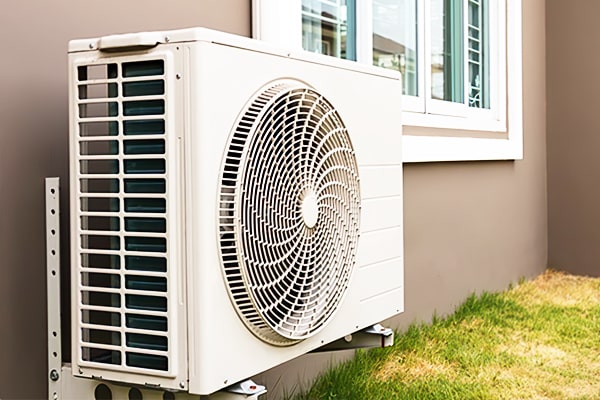
Stay Safe During Winter Time
Many homeowners rely on their heating systems more than they realize, especially during a cold snap. Thinking about your heat pump might not be top of mind until an emergency hits. Taking steps towards heat pump maintenance to avoid emergencies can make a world of difference.
Routine checks and simple care go a long way in preventing frantic calls in freezing temperatures. Nobody wants to deal with a broken heating system. Understanding this preemptive process will result in fewer problems overall when doing your own heat pump maintenance to avoid emergencies.
Understanding How a Heat Pump Operates
A heat pump works by transferring heat instead of generating it. In winter, it pulls heat energy from the outside air and circulates it inside. In the summer, the process reverses, pulling heat from inside your home to cool it.
This process uses refrigerant, circulating it between the outdoor unit and the indoor air handler. Because of this operation, the system has maintenance needs compared to traditional furnaces. Knowing how the refrigerant cycles helps you spot any irregularities sooner.
Key Components and Their Functions
The reversing valve is a critical component, switching the system between heating and cooling modes. This valve controls the refrigerant flow, affecting your comfort level when in need of winter heat.
Thermostatic expansion valves manage the refrigerant flow. Similar to water faucets controlling flow, these regulate the efficiency of heating and cooling, by making sure the heat pump cycles efficiently.
The accumulator is the main storage tank. It adjusts the refrigerant level through seasonal transitions by storing what is necessary. Keeping your refrigerant charge correctly calibrated with seasonal transitions avoids costly problems.
Maintenance to Do Each Month
Inspect the exterior for any debris or obstructions. Clearing away leaves, dirt, or plants lets air flow freely. Regular clearance supports continuous movement and airflow restrictions.
Checking and cleaning air filters regularly is one area where things easily get backed up if ignored. Clean or replace air filters every 1-3 months to improve indoor air quality. Clean air filters improve system efficiency by allowing better flow, and they are only effective when taken care of routinely.
Inspect electrical terminals for corrosion. Gently cleaning helps maintain stable electrical operation. Loose connections or corroded contacts lead to malfunctions over time, so tighten connections to make sure things stay at full efficiency.
What Happens If the Unit Freezes?
When it is very cold out and it’s either snowing or raining, the outdoor unit could start building up frost. There are steps you can take on your own to help.
Here is how to melt the ice:
- Turn the Thermostat to “Emergency Heat”: This temporarily stops your pump, activating the defrost. Turning off auxiliary heat gets things back up quickly once clear of the ice.
- Warm Water (Not Hot): Slowly pouring it, rather than flushing hot water, will clear excess snow without thermally shocking and harming outdoor coils. We can never get weather events, like hurricanes and ice storms, at expected times.
- Do Not Use Sharp Objects: You risk damaging sensitive coil systems and potentially injure yourself, causing longer outages.
Checking Refrigerant Levels
Look for any signs of leaks, such as oily residue. Low refrigerant significantly reduces a system’s capacity and operational efficiency.
Proper levels maintain heat exchange. Efficient heat exchange provides reliable heat in low outside temperatures. Regular inspections help avoid low-flow efficiency drops and eventual complete breakdown if low flow persists, resulting in a more complex system repair.
Seasonal Change Adjustments
Adjust thermostat settings as outdoor temperatures change. Optimizing your pump helps control overall power bills.
Switching modes correctly prevents stress. Heat pumps struggle if you push “emergency heating” to “Air Conditioning,” which damages and also greatly decreases the life cycle of main systems.
Preventative Maintenance for Different Seasons
Each season has its own demands. Consistent upkeep, adjusting your approach for varying external environmental loads, avoids catastrophic system failures and “frozen nights”.
As fall shifts, different parts need adjustments. Adapting the care of things optimizes indoor temperatures when seasons transition into colder nighttime chills. Freezing evenings mean a heavy focus needs to be in operational “heat mode”. Verifying defrost controls functionality prior to hard freezes prevents iced-over blocking system functionality.
Summer Preparation Tasks
Trim plants around your outdoor unit. Adequate clearance, with “room” to pull inside air, removes blockages and debris surrounding pumps. Keeping coils unrestricted supports the smooth internal function.
Clean outdoor coils and the surrounding area before heat arrives. Buildup significantly hampers the capability to remove excess “heat”. With regular maintenance service, they cool fast again.
Dirty outdoor coils can lead to more problems. Cleaning the unit can help improve energy efficiency and maintain clean air. Cleaning now will lower energy consumption by 15%.
Winterizing Your System
Winter brings extreme external temperature stresses when heat is moved into living and/or work zones. Removing accumulated ice or packed-on wintery mixes with each large overnight frost cycle minimizes overall system failures.
Inspect and seal ducts where warm-conditioned airflows go to minimize wasted thermal energy. Leak points significantly increase pump loads as the “heat transfer” system gets additional runtime when warmth escapes en route before it reaches its end vent zone. Sealing cracks supports continuous airflow to the conditioned living space(s).
Advanced Tips and Troubleshooting
Advanced techniques let you maintain heat pump operation, reducing risk. Addressing potential big malfunctions improves air quality.
Look at performance readings for unexpected operating fluctuations, abnormal power spikes, or extended operation. These could mean bigger system issues may appear, like a restriction of refrigerant. Catch these subtle flags using smart digital tracking. Preventing expensive main failures extends pump work cycle duration.
a When you spot irregularities, fix these fast rather than allowing little things to snowball into large repair shutdowns. React promptly so wear caused under normal stresses is kept minimized. Small issues that normally might present noises or a little lower airflow initially escalate and strain things out.
Consider routine inspections and calibrations by expert service professionals before things break during normal peak load periods. Trained service technicians easily locate potential hidden failing spots. They use special HVAC service diagnostic tools and repair instruments to avoid inconvenient home service disruptions.
Dealing with Common Issues
Frozen outdoor coils indicate issues: reduced pump airflow, compromised main system processes, and ultimately unit “overheating” as refrigerant cycling works with a new, unexpected physical airflow disruption to internal coils. Look for signs of excess liquid water leaking consistently down low during the freeze-cycle, indicating drains are probably still clear.
Listen for uncommon loud sounds of any stressed mechanics: loud buzzing, consistent mechanical squealing during continuous load transitions, and banging each time the pump switches. This points out that the things operating at normal operating temperature zones are out: bearings, internal pumps, or refrigerant leaks requiring calibrations. Diagnosing those symptoms correctly keeps indoor temperature fluctuations under expected system-performance cycles in winter months with their expected low outside temperature extremes.
Heat Pump Maintenance to Avoid Emergencies, Year Round Care
Consistency gives stable results in operating conditions through 365 diverse seasonal swings of changing external temperatures. Making proactive inspection and repair efforts minimizes costs overall to extend the service life of heat pump systems. This improves inside environment health, to maximize continuous comfortable airflows, and to avoid costly breakdowns over the system lifetime, when simple and inexpensive periodic actions can instead optimize performance between big services.
| Task | Frequency | Benefits |
|---|---|---|
| Clean or change Air Filters. | Monthly or as needed. | Improves pump flow and indoor health quality. |
| Inspect Ducts | Semi-Annually | Locate blockages/air leakage areas |
| Clean External Components & Surrounds | Each Season | Improve heat flow exchanges outside. Keep clear always 2 foot path from outdoor coils & components |
| Profession Service Review: Mechanical Parts / Calibration Review Annually (or sooner) Inspect & Calibration Annually Reviewing | Yearly/Bi-Yearly based upon actual normal operational history wear from pump | Fix developing little pump problem zones, so you stop more major catastrophic mechanical events in future use phases. Prevent future catastrophic expensive costly component system failing failures for each critical piece during unexpected low-temperature days outdoors |
Knowing When It Is Time to Upgrade the System
Heat pump technology is advancing rapidly. Upgrades bring major boosts to energy efficiency in addition to improved performance vs. the original build cycle capability. This is to reduce heating and cooling price tags greatly over the long term. Heat pump systems showing consistent problems, despite ongoing regular checks, often show their older performance components starting to reach life-cycle expiration.
This is asking its owner to swap this “high-end system” to give relief. An old pump showing degradation may trigger a big electrical draw to fail soon. An older pump’s physical part(s) struggling through expected system routines will fail to attain the required comfortable thermal results under typical “loads”.
A new pump has many rewards past continuous working heating supply. Switching brings great system benefits past reduced yearly utility operating bills but also quieter operation. Newer system builds have a significant comfort gain that can often get overlooked. Heat Pump install and maintenance companies see it regularly – improved technology offers greater system responsiveness to indoor conditions and they reach “targets” with rapid adjustments, where previous pumps showed their lagging physical components.
Conclusion
Focusing on the long term makes you save a tremendous amount, avoiding very disruptive and sudden freezing temperature heating outage events as temperatures crash below normal overnight. Regular heat pump maintenance to avoid emergencies avoids lots more home chaos.
Prioritize continuous system operation and also operational energy reduction and total price over decades. Well-maintained, optimally calibrated thermal pumps running correctly through entire season cycles keep home areas comfortable. It keeps things comfortable under different varying extreme “temperatures” when supporting a long system service.
Contact us today for more information or to schedule a free consultation.