

The Impact of Hard Water on Your AC System
Hard water’s impact on your AC system can be serious, leading to mineral buildup that reduces efficiency and shortens your unit’s lifespan. When hard water (water with high mineral content) runs through your air conditioner, it leaves behind calcium and magnesium deposits. These deposits clog important parts, make your system work harder, and lead to breakdowns. Hard water affects both the cooling performance and energy usage of your AC. It can increase your energy bills by up to 30% and cut your system’s lifespan in half if not addressed. Regular maintenance and water treatment solutions can help protect your AC from hard water damage.
What Is Hard Water and Why Is It a Problem?
Hard water is simply water that contains high levels of dissolved minerals, mainly calcium and magnesium. These minerals get into the water as it moves through soil and rock. While hard water is safe to drink, it can cause many problems around your home.
When it comes to your air conditioning system, hard water is especially troublesome. The minerals in hard water don’t just disappear when the water evaporates. Instead, they stay behind as a crusty, chalky buildup called scale.
Think about the white spots you might see on your shower head or faucets. That same kind of buildup happens inside your AC system, but you can’t see it.
How Hard Water Affects Different Parts of Your AC System
Cooling Coils
The cooling coils in your AC system are like the heart of the operation. They help transfer heat and cool the air. When hard water minerals build up on these coils, they create an insulating layer that blocks heat transfer.
This means your AC has to work much harder to cool your home. It’s like trying to feel a gentle touch through a thick glove – the sensation is dulled. Similarly, the cooling power of your AC is reduced when scale builds up on the coils.
Condensate Drain Lines
Your AC system removes humidity from the air, creating water that needs to drain away. This water flows through condensate drain lines. When hard water minerals build up in these lines, they can create clogs.
Clogged drain lines can cause water to back up into your home, leading to water damage and mold growth. It’s like a clogged sink drain, but the consequences can be much worse for your home and AC system.
Evaporator Pans
Evaporator pans collect the water that drips off your cooling coils. Hard water can leave mineral deposits in these pans. Over time, these deposits can corrode the pan, leading to leaks.
Water leaking from your AC system can damage your home and create perfect conditions for mold and mildew growth. This not only harms your AC but can also affect your home’s air quality.
Pumps and Valves
The moving parts of your AC system, like pumps and valves, are especially vulnerable to hard water damage. Mineral buildup can cause these parts to stick, jam, or fail completely.
When pumps and valves don’t work properly, your AC system can’t function efficiently. It’s like trying to ride a bike with rusty gears – everything becomes harder and less effective.
Signs Your AC Is Suffering from Hard Water Damage
Reduced Cooling Efficiency
If your home isn’t getting as cool as it used to, even when your AC is running constantly, hard water buildup might be the culprit. When minerals coat the cooling components, they can’t transfer heat effectively.
This is often the first sign homeowners notice. Your AC runs and runs, but your home just doesn’t get comfortable.
Unusual Noises
Strange sounds coming from your AC unit can signal hard water problems. Banging, clanking, or grinding noises might mean that mineral deposits are interfering with moving parts.
These noises happen because hard water scale can cause parts to rub against each other or become unbalanced. It’s similar to having a pebble in your shoe – it creates friction and noise where there shouldn’t be any.
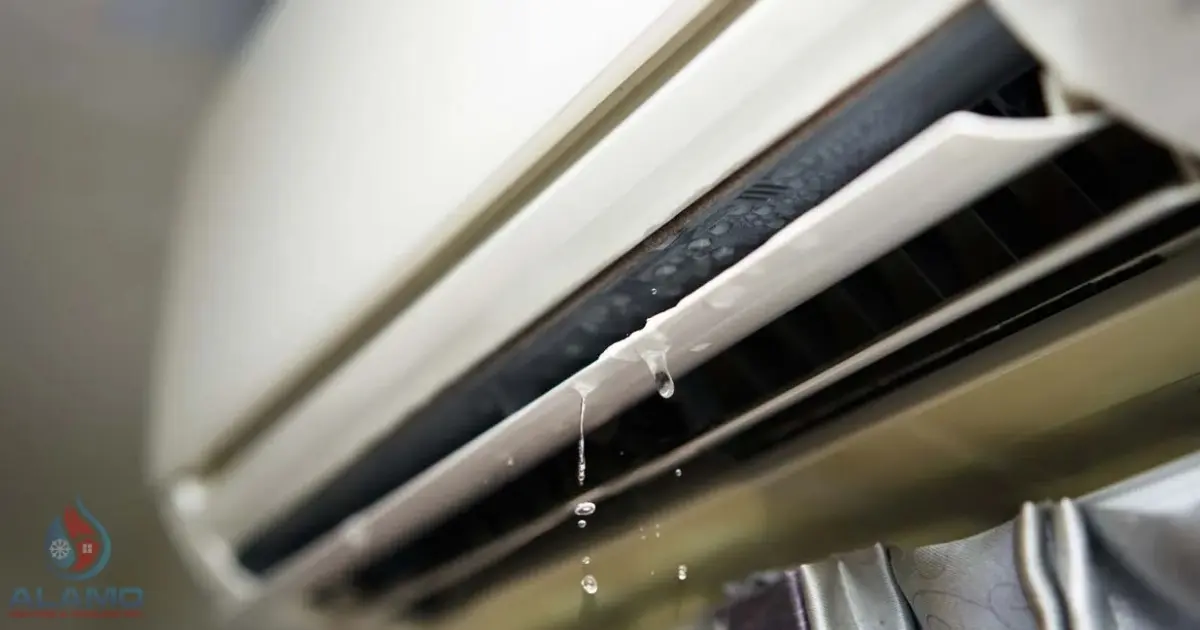
Water Leaks
Finding water around your AC unit can be a sign of hard water damage. When drain lines get clogged with mineral buildup, water can back up and leak out where it shouldn’t.
These leaks aren’t just annoying – they can cause serious water damage to your home. It’s important to address them quickly before they lead to bigger problems.
Higher Energy Bills
Have your energy bills been climbing even though your usage hasn’t changed? Hard water buildup forces your AC to work harder, using more electricity to achieve the same cooling.
Many homeowners don’t connect their rising energy costs to hard water issues, but hard water can contribute to damage to your AC system.
Frequent Breakdowns
If your AC system needs repairs more often than it used to, hard water might be to blame. The extra strain caused by mineral buildup can lead to premature failure of various components.
These breakdowns aren’t just inconvenient – they’re expensive. Replacing major AC components can cost hundreds or even thousands of dollars.
How to Prevent Hard Water Damage to Your AC
Regular Professional Maintenance
Having your AC system professionally serviced at least once a year is one of the best ways to prevent hard water damage. Trained technicians can clean components and spot early signs of mineral buildup.
During maintenance visits, technicians can use special cleaning solutions to remove existing scale without damaging your system. This is like getting your teeth cleaned at the dentist – it removes buildup before it causes serious problems.
Water Softeners
Installing a whole-house water softener can protect all your water-using appliances, including your AC system. Water softeners remove the minerals that cause hard water before they can enter your home’s water supply.
Think of a water softener as a bouncer that keeps troublemaking minerals out of your home’s water. It exchanges the problematic calcium and magnesium ions for harmless sodium ions.
Scale Inhibitors
Scale inhibitors are chemicals that can be added to your water system to prevent minerals from forming deposits. They don’t remove the minerals, but they change how they behave in water.
These inhibitors work by interfering with the crystal formation process that creates scale.
Regular Cleaning of Accessible Components
Some parts of your AC system, like the condensate drain line, can be cleaned by homeowners. Regularly flushing these lines with vinegar can help prevent clogs.
This simple maintenance task takes just a few minutes but can prevent major problems. It’s like brushing your teeth – a small effort that prevents bigger issues down the road.
Hard Water’s Impact on Your AC System: Solutions for Existing Damage
Professional Descaling
If your AC system already has significant scale buildup, professional descaling may be necessary. HVAC technicians use special chemicals and techniques to remove mineral deposits without damaging your system.
This process can restore much of your system’s lost efficiency. It’s like giving your AC a fresh start, removing years of buildup that’s been holding it back.
Component Replacement
In severe cases, components damaged by hard water may need to be replaced. This might include cooling coils, pumps, or valves that have been corroded or clogged beyond repair.
While replacement can be expensive, it’s sometimes the only option for restoring your system’s function. Think of it as surgery to remove a damaged organ – sometimes necessary for overall health.
Water Treatment Systems
Installing a water treatment system specifically designed for your AC can provide targeted protection. These systems can include filters, softeners, or chemical treatment devices.
Unlike whole-house water softeners, these systems focus just on the water going to your AC.
Regular Maintenance Plan
Establishing a regular maintenance plan with a trusted HVAC company can help manage existing damage and prevent future problems. These plans typically include regular inspections, cleaning, and minor repairs.
Regular attention keeps everything running smoothly and addresses small issues before they become big problems.
The Long-Term Benefits of Protecting Your AC from Hard Water
Extended System Lifespan
By preventing hard water damage, you can significantly extend the life of your AC system. Most air conditioners should last 15-20 years, but hard water can affect this lifespan.
Protecting your system from hard water is preventive maintenance that pays off in the long run by avoiding premature replacement costs.
Improved Energy Efficiency
A clean, scale-free AC system runs more efficiently, using less electricity to cool your home. This translates directly to lower energy bills month after month.
The savings can be substantial – up to 30% on your cooling costs. Over the life of your AC system, this can add up to thousands of dollars saved.
Better Indoor Air Quality
When your AC system isn’t clogged with mineral deposits, it can better filter and clean the air in your home. This means fewer allergens, less dust, and healthier air for your family.
Clean components also mean less chance of mold and bacteria growth in your system. It’s like having a cleaner filter in your vacuum – everything works better and the results are healthier.
Fewer Repairs and Disruptions
An AC system protected from hard water will need fewer emergency repairs. This means more reliable cooling and fewer uncomfortable, hot days waiting for repairs.
The peace of mind that comes with a reliable AC system is valuable, especially during the hottest days of summer when AC failures are most common and repair services are busiest.
Frequently Asked Questions About Hard Water and AC Systems
How do I know if I have hard water?
You might have hard water if you notice white spots on dishes, soap that doesn’t lather well, or scale buildup on faucets and showerheads. You can also purchase simple water hardness test kits at most hardware stores.
Many water utility companies can tell you the hardness level of your local water supply if you call and ask. Water hardness is typically measured in grains per gallon (GPG) or parts per million (PPM).
Can hard water damage a new AC system?
Yes, hard water can damage even brand-new AC systems. In fact, new systems with clean components might show the effects of hard water more quickly because the contrast between optimal and reduced performance is more noticeable.
If you’ve just invested in a new AC system, it’s especially important to protect it from hard water damage from the start. This preserves your investment and ensures you get the full benefit of your new system’s efficiency.
Is hard water damage covered by AC warranties?
Most AC warranties do not cover damage caused by hard water. Manufacturers typically consider this an environmental factor outside their control, similar to how they don’t cover damage from corrosive air quality.
This makes prevention even more important, as you’ll likely be responsible for the full cost of repairs or replacement if hard water damages your system.
How often should I have my AC system checked for hard water damage?
In areas with very hard water, having your system checked twice a year is ideal – once before cooling season and once after. In areas with moderately hard water, an annual check during regular maintenance should be sufficient.
Your HVAC technician can advise you on the right schedule based on your local water hardness and the condition of your system.
Can I use vinegar to clean my AC system myself?
You can use vinegar to clean some accessible parts of your AC system, like the condensate drain line. Simply pour a cup of white vinegar down the drain line every few months to help dissolve mineral buildup.
However, attempting to clean internal components like cooling coils yourself can damage your system. These parts should only be cleaned by qualified professionals with the right tools and cleaning solutions.
Protecting Your AC Investment from Hard Water Damage
Hard water is a silent threat to your AC system, gradually reducing its efficiency and lifespan through mineral buildup. By understanding the signs of hard water damage and taking preventive steps, you can protect your cooling system and avoid costly repairs and replacements.
Regular maintenance, water treatment solutions, and prompt attention to warning signs are your best defenses against hard water damage. These steps not only protect your AC system but also improve your home’s comfort, reduce energy costs, and maintain good indoor air quality.
Don’t wait until your AC system shows serious signs of hard water damage. Contact Alamo Heating & Cooling today to schedule a professional inspection of your system. Our experienced technicians can assess your AC’s condition, clean any existing buildup, and recommend the best solutions to protect your system from hard water damage. Take this simple step now to avoid costly problems later and keep your home cool and comfortable for years to come.