

When Should You Switch from AC to Heat in Northern California?
The best time to switch from AC to heat in Northern California is typically mid-October to early November, when overnight temperatures consistently drop below 50°F. Northern California’s unique climate, with its mild fall season and varying microclimates, means the exact timing can differ depending on your specific location. Coastal areas may delay the switch until later in November, while higher elevation regions might need heating as early as late September. Rather than following a strict calendar date, pay attention to both outdoor temperatures and your home’s indoor comfort level to determine the right time to make the seasonal HVAC transition.
Table of Contents
| Northern California Region | Typical Time to Switch from AC to Heat | Average Low Temperatures |
|---|---|---|
| Bay Area (San Francisco, Oakland) | Early to mid-November | 45-55°F |
| Sacramento Valley | Mid to late October | 40-50°F |
| Sierra Foothills | Late September to early October | 35-45°F |
| North Coast (Eureka, Crescent City) | Mid-October | 40-50°F |
Understanding Northern California’s Climate Patterns
Northern California experiences a Mediterranean climate with distinct seasonal changes. Unlike other parts of the country, the transition from summer to fall can be gradual and unpredictable. This makes knowing when to switch from AC to heat a bit tricky.
The region’s diverse geography creates multiple microclimates. Coastal areas stay milder longer, while inland valleys cool more quickly in the fall. Mountain regions experience even earlier temperature drops.
Fall in Northern California often brings warm days and cool nights. This temperature swing can make it challenging to decide when to switch your HVAC system. You might need cooling during the day but heating at night.
Regional Climate Variations
The Bay Area typically maintains mild temperatures well into November. San Francisco, with its famous fog, rarely needs air conditioning even in summer. However, inland areas like Concord or Livermore experience hotter summers and cooler falls.
Sacramento Valley residents usually switch from AC to heat earlier. The valley’s climate features hot summers and cooler falls, with nighttime temperatures dropping significantly by mid-October.
Sierra Foothill communities experience the earliest transition to the California heating season. Higher elevations mean cooler temperatures arrive sooner, often necessitating heat by late September.
North Coast residents along the Pacific enjoy the most moderate climate. The ocean’s influence keeps temperatures stable, but increased rainfall and wind can make homes feel chilly by mid-October.
Temperature Thresholds for Switching Systems
Most HVAC professionals recommend switching from AC to heat when outdoor temperatures consistently fall below 50°F. This threshold works well for Northern California’s climate patterns.
Indoor comfort is equally important. Most people feel comfortable when indoor temperatures are between 68°F and 72°F. When your home regularly falls below 68°F without heating, it’s time to make the switch.
Energy efficiency should also guide your decision. Running air conditioning when outdoor temperatures are below 60°F wastes energy. Similarly, delaying your heating system too long can lead to uncomfortably cold indoor temperatures.
Monitoring Indoor and Outdoor Temperatures
A programmable or smart thermostat makes the seasonal transition easier. These devices can automatically adjust between heating and cooling based on your preferences and the current temperature.
Consider installing an indoor temperature monitor in different rooms. This helps identify cold spots in your home that might need attention before winter arrives.
Outdoor temperature trends matter more than daily fluctuations. Look for a pattern of consistently cooler temperatures rather than reacting to a single cold day.
Preparing Your HVAC System for the Fall HVAC Transition
Before you switch from AC to heat, schedule a professional maintenance visit. This ensures both systems are ready for the seasonal change and helps prevent unexpected breakdowns.
Replace your air filters before activating your heating system. Clean filters improve air quality and system efficiency during the California heating season.
Test your heating system before you actually need it. Run it for 15-20 minutes on a mild day to ensure everything works properly and to burn off any dust that accumulated during the summer.
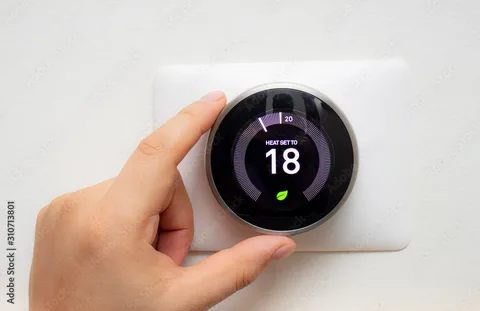
Thermostat Switching Guide
When you’re ready to switch from AC to heat, follow these steps:
- Turn your thermostat to the “off” position
- Wait 5 minutes to allow the system to reset
- Switch from “cool” to “heat” mode
- Set your desired temperature (68-70°F is energy-efficient for most homes)
- If you have a programmable thermostat, update your seasonal schedule
Many modern thermostats have an “auto” mode that switches between heating and cooling as needed. This can be useful during fall’s temperature fluctuations but may use more energy than manually controlling the switch.
Common HVAC Transition Issues
When you first turn on your heating system, you might notice a burning smell. This is usually just dust burning off the heating elements and should dissipate within an hour. If it persists, contact an HVAC professional.
Some homes experience uneven heating after the switch. This could indicate duct issues, airflow problems, or an improperly sized system. Consider a professional evaluation if certain rooms remain consistently cold.
Strange noises when you switch from AC to heat might indicate mechanical problems. Banging, rattling, or squealing sounds warrant professional attention before the full California heating season arrives.
Energy Efficiency Considerations
The seasonal transition is an ideal time to focus on energy efficiency. Proper timing of your switch from AC to heat can significantly impact your utility bills during the Northern California climate change between seasons.
Setting your thermostat to 68°F when heating can reduce energy consumption by up to 15% compared to higher settings. Each degree above 68°F increases energy usage by approximately 3-5%.
Consider using ceiling fans to distribute warm air more effectively. Since warm air rises, running ceiling fans clockwise at a low speed helps push warm air back down into living spaces.
Supplemental Heating Options
Space heaters can be useful during the transition period. Rather than heating your entire home, use energy-efficient space heaters in occupied rooms during cool evenings.
Fireplaces provide both warmth and ambiance during fall evenings. If you have a wood-burning fireplace, ensure the chimney is clean and ready for use before the California heating season begins.
Heat pumps work well in Northern California’s mild climate. These systems can efficiently provide both heating and cooling, making them ideal for the region’s temperature fluctuations.
Home Preparation for Seasonal Changes
Beyond your HVAC system, prepare your home for the seasonal shift. Check windows and doors for drafts and apply weatherstripping where needed to prevent heat loss.
Inspect your attic insulation before the California heating season begins. Proper insulation can reduce heating costs by 10-50% depending on your home’s current condition.
Reverse ceiling fan direction to clockwise for winter. This creates an updraft that pushes warm air down from the ceiling into the living space.
Smart Home Technology for Seasonal Transitions
Smart thermostats learn your preferences and automatically adjust to seasonal changes. Many can even use local weather forecasts to anticipate temperature shifts in the Northern California climate.
Home temperature sensors placed in different rooms provide more accurate control. These devices communicate with smart thermostats to maintain consistent comfort throughout your home.
Energy monitoring systems help track consumption during the transition period. These tools identify energy usage patterns and suggest efficiency improvements specific to your home.
Special Considerations for Northern California Homes
Homes near the coast face unique challenges during the fall HVAC transition. Higher humidity and salt air can affect HVAC performance, making regular maintenance especially important.
Older homes common in Northern California often have less insulation and more air leaks. These properties may need earlier heating and more aggressive weatherization.
Newer, energy-efficient homes can often delay the switch from AC to heat. Better insulation and construction standards help maintain comfortable indoor temperatures even as outdoor conditions change.
Adapting to Microclimate Variations
If you live in a foggy area like San Francisco, moisture management becomes important during the transition. Consider using a dehumidifier alongside your heating system to maintain comfort.
Homes in sunny microclimates can benefit from passive solar heating. Keep south-facing curtains open during the day to capture free solar heat, then close them at night to retain warmth.
Wind-prone areas experience greater heat loss. Homes in these locations may need to switch from AC to heat earlier and should prioritize sealing any air leaks around windows and doors.
Health and Comfort Considerations
Indoor air quality changes when you switch from AC to heat. Heating systems can circulate dust and allergens that settled during summer. Consider professional duct cleaning before the California heating season begins.
Proper humidity levels become more important during heating season. Northern California’s winter air is often drier, which can cause respiratory discomfort. Consider using a humidifier to maintain 30-50% humidity.
Temperature consistency affects sleep quality. Program your thermostat to maintain comfortable sleeping temperatures (around 65-68°F) during the night for better rest.
Adapting to Individual Needs
Households with elderly members or young children may need to switch from AC to heat earlier. These age groups are more sensitive to temperature changes and typically require warmer indoor environments.
People with respiratory conditions should take extra precautions during the transition. Clean or replace air filters, consider using air purifiers, and maintain consistent indoor temperatures.
Those with circulation issues or certain medical conditions may need warmer indoor temperatures. Consult healthcare providers for personalized temperature recommendations based on specific health needs.
Financial Planning for Seasonal Energy Costs
Budget for increased energy costs as you switch from AC to heat. Northern California heating bills typically rise in November and peak in December and January.
Many utility companies offer budget billing programs that average your costs throughout the year. This prevents the shock of suddenly higher winter heating bills.
Energy assistance programs are available for qualifying households. Research LIHEAP (Low Income Home Energy Assistance Program) and local utility company discount programs before the California heating season begins.
Long-term Cost Considerations
Investing in HVAC maintenance before you switch from AC to heat can prevent costly emergency repairs. Regular tune-ups typically cost $75-150 but can save thousands in repair or replacement costs.
Energy-efficient upgrades often qualify for tax credits or rebates. Research available incentives for improvements like insulation, window replacements, or high-efficiency heating systems.
Consider the cost-benefit analysis of upgrading older systems. While new equipment requires upfront investment, the energy savings and improved comfort can provide significant returns over time.
Frequently Asked Questions
Is there an exact date when I should switch from AC to heat in Northern California?
There’s no single date that works for everyone in Northern California. Instead of following a calendar, watch for consistent overnight temperatures below 50°F, which typically occur between mid-October and early November depending on your specific location.
How can I save energy during the fall transition period?
Use programmable thermostats, seal air leaks, add insulation, and consider using the “auto” mode on your thermostat during mild days. You can also use ceiling fans (running clockwise) to distribute heat more efficiently and dress warmly indoors to maintain comfort at lower thermostat settings.
Should I have my HVAC system serviced before switching to heat?
Yes, scheduling maintenance before the California heating season begins ensures your system runs efficiently and safely. A professional can check for issues like gas leaks, carbon monoxide risks, and worn components that could fail during cold weather.
What temperature should I set my thermostat to during fall in Northern California?
For energy efficiency, set your heating thermostat to 68°F when people are home and awake. You can lower it to 62-65°F when sleeping or away. During mild fall days, consider opening windows instead of using either heating or cooling systems.
Why does my heater smell when I first turn it on?
That burning smell is typically dust that collected on heating elements during summer months. It should disappear after running the system for 15-30 minutes. If the smell persists or smells like electrical burning, turn off your system and call a professional immediately.
Making the Seasonal Switch with Confidence
Knowing when to switch from AC to heat in Northern California requires attention to both outdoor conditions and your personal comfort preferences. By monitoring temperature trends and preparing your system properly, you can navigate the fall transition period efficiently.
Remember that your home’s specific characteristics—location, insulation, age, and exposure—all influence the ideal timing. What works for a neighbor might not be perfect for your situation. Trust your comfort level while balancing energy efficiency concerns.
For professional assistance with your seasonal HVAC transition, consider scheduling a maintenance appointment with Alamo Heating and Cooling. Our experts can ensure your system is ready for the California heating season and operating at peak efficiency to keep your family comfortable all winter long.