

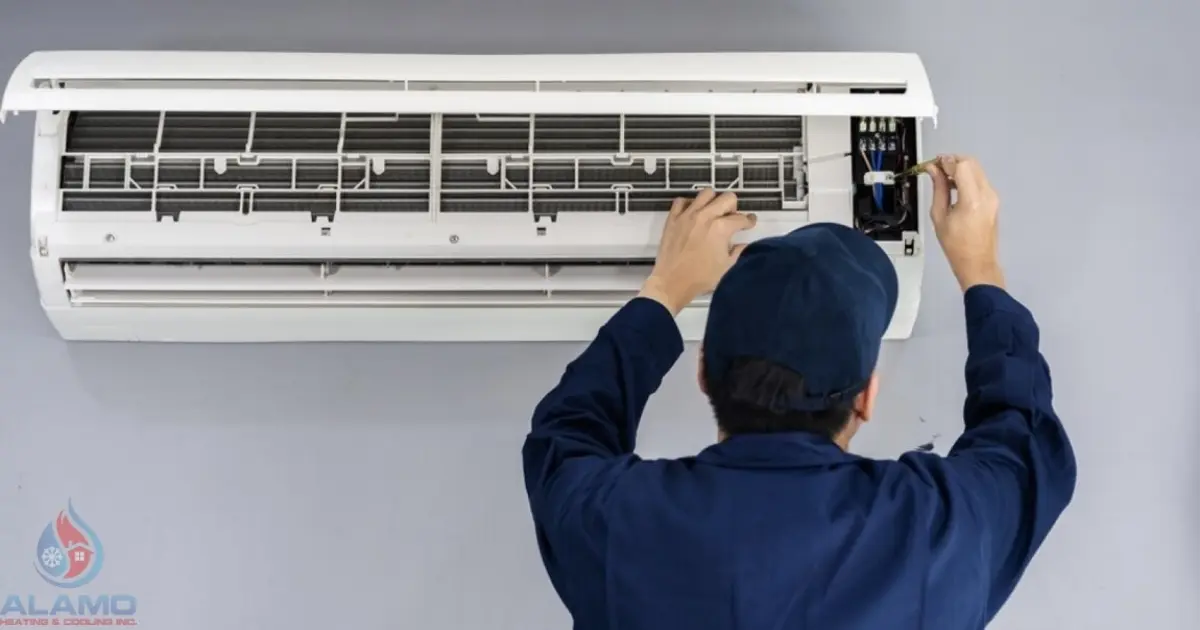
What to Do When Your AC Suddenly Stops Working
When your air conditioner suddenly stops working, it can feel like a real emergency, especially during hot summer days. Emergency AC repair situations need quick action. First, check if your AC is getting power by looking at your circuit breaker. Next, make sure your thermostat is set correctly. If these simple checks don’t work, you might need to call a professional for emergency AC repair. While waiting for help, open windows, use fans, and stay hydrated to keep cool. Remember that some AC problems can be prevented with regular maintenance.
Let’s explore what you should do when your AC breaks down unexpectedly and how to handle this uncomfortable situation.
Common Reasons Why Air Conditioners Suddenly Stop Working
Understanding why your AC stopped working can help you explain the problem to repair technicians. Here are the most common reasons for sudden AC failures:
Power Supply Issues
Many emergency AC repair calls start with simple power problems. Your air conditioner might have tripped a circuit breaker or blown a fuse. This happens when the AC draws too much power. Check your electrical panel first. If you see a switch that’s flipped to the “off” position, try resetting it. If the breaker trips again right away, don’t keep resetting it. This could mean there’s a more serious electrical problem that needs professional help.
Thermostat Malfunctions
Sometimes the problem isn’t with your AC unit at all—it’s with the thermostat. Your thermostat might have dead batteries, incorrect settings, or be malfunctioning. Check if your thermostat screen is blank (needs new batteries) or if someone accidentally changed the settings. Make sure it’s set to “cool” mode and that the temperature setting is lower than the current room temperature.
Frozen Evaporator Coils
If your AC has been running but suddenly stops cooling, frozen evaporator coils might be the culprit. This happens when airflow is restricted or when refrigerant levels are low. You might notice ice forming on the outdoor unit or water leaking when the ice melts. Frozen coils prevent your AC from cooling properly and can cause the system to shut down completely.
Refrigerant Leaks
Your air conditioner needs the right amount of refrigerant to cool your home. If there’s a leak, your AC won’t cool properly and will eventually stop working. Signs of a refrigerant leak include hissing sounds, ice buildup on the refrigerant line, and your home taking longer to cool. Refrigerant leaks require professional repair since refrigerant is harmful to both people and the environment.
Dirty Air Filters
One of the simplest causes of AC failure is also the most common—clogged air filters. When filters get too dirty, they restrict airflow, making your system work harder. This can cause components to overheat and shut down. The good news is that changing your air filter is an easy fix you can do yourself.
Compressor Problems
The compressor is like the heart of your AC system. When it fails, your entire system stops working. Compressor problems often result from wear and tear, electrical issues, or dirty coils that make the compressor work too hard. Unfortunately, compressor repairs or replacements usually require professional emergency AC repair service.
Immediate Steps to Take When Your AC Stops Working
When your AC suddenly stops, follow these steps before calling for emergency AC repair:
Check the Power Supply
First, make sure your AC is getting power. Check if the circuit breaker has tripped. Look at your electrical panel for any switches in the “off” position. If you find one labeled for your AC or HVAC system, flip it back to the “on” position. Also, check that your AC unit is plugged in properly if it’s a window or portable unit.
Inspect Your Thermostat
Next, check your thermostat settings. Make sure it’s set to “cool” mode and that the temperature is set lower than the current room temperature. If you have a programmable thermostat, check that the program settings haven’t changed. Try changing the batteries if the display looks dim or isn’t working.
Look at the Air Filter
Pull out your air filter and check if it’s dirty. A clogged filter restricts airflow and can cause your system to shut down. If it looks dirty or you can’t see through it when holding it up to light, replace it with a new one. This simple fix solves many AC problems.
Check the Outdoor Unit
Go outside and look at your AC’s outdoor unit. Make sure nothing is blocking it, like leaves, branches, or debris. The unit needs good airflow to work properly. Also check if the fan in the outdoor unit is running. If it’s not moving but you hear humming, the fan motor might be stuck or broken.
Listen for Unusual Noises
Pay attention to any strange sounds coming from your AC. Grinding, squealing, or banging noises usually mean mechanical problems. Hissing sounds could indicate refrigerant leaks. Make note of these sounds to tell the repair technician when they arrive.
Check for Water Leaks
Look around your indoor unit for any water leaks. A clogged condensate drain line can cause water to back up and trigger a safety switch that shuts off your system. If you see water, try cleaning the drain line or emptying the drain pan if you can access it safely.
DIY Troubleshooting Before Calling for Emergency AC Repair
Before calling for professional help, try these simple troubleshooting steps that might get your AC working again:
Reset Your AC System
Sometimes your AC just needs a reset. Turn off your AC at both the thermostat and the circuit breaker. Wait about 15-30 minutes, then turn the circuit breaker back on first, followed by the thermostat. This simple reset can sometimes fix minor electrical glitches.
Clean Around the Outdoor Unit
Clear away any leaves, grass clippings, or debris around your outdoor unit. Make sure there’s at least 2 feet of clear space around all sides. You can gently spray the outside of the unit with a garden hose to remove dirt buildup, but be careful not to bend the fins or spray directly into the unit.
Replace the Air Filter
If your air filter is dirty, replace it with a new one. This is one of the easiest and most effective DIY fixes. A clean filter improves airflow and helps your system run more efficiently. It’s good practice to check your filter monthly and replace it every 1-3 months depending on your home conditions.
Check and Clean Air Vents
Make sure all your air vents are open and not blocked by furniture, rugs, or curtains. Closed or blocked vents restrict airflow and can cause your system to work harder or shut down. Also, check that the vents aren’t clogged with dust or debris.
Inspect the Condensate Drain Line
Find your AC’s condensate drain line (usually a PVC pipe near your outdoor unit) and check if it’s clogged. You can try clearing it by pouring a cup of white vinegar or bleach down the access point of the drain line to kill algae and clear blockages. Some units have a drain line clean-out port specifically for this purpose.
Check for Ice Buildup
If you see ice on your AC coils or refrigerant lines, turn off your AC and let it thaw completely before restarting. This could take several hours. Running the fan without the cooling function can help speed up the thawing process. Once thawed, you can try running the system again, but if ice returns, you’ll need professional help.
When to Call a Professional for Emergency AC Repair
While DIY troubleshooting is helpful, some situations require professional emergency AC repair:
Electrical Problems
If you notice burning smells, sparks, or if your circuit breaker keeps tripping after reset, stop trying to fix it yourself. These are signs of serious electrical problems that could cause fires or other damage. Cut power to the unit and call a professional immediately. Electrical issues are dangerous and should only be handled by trained technicians.
Refrigerant Leaks
If you suspect a refrigerant leak (hissing sounds, ice buildup, poor cooling), call a professional right away. Refrigerant is harmful to breathe and dangerous to handle. Only licensed HVAC technicians can legally handle refrigerant. They have the proper equipment to detect leaks, repair them, and recharge your system safely.
Compressor Failure
If your outdoor unit isn’t running at all or makes loud, unusual noises when starting up, your compressor might be failing. Compressor issues almost always require professional repair or replacement. This is one of the most expensive AC components, so you’ll want expert advice on whether to repair or replace your system.
Water Damage
If your AC is leaking significant amounts of water that you can’t stop with basic drain cleaning, call a professional. Water can damage your home and lead to mold growth. A technician can properly diagnose whether the problem is a clogged drain, a broken condensate pump, or something more serious.
Complete System Failure
If your AC won’t turn on at all despite checking power, thermostat, and other basic issues, you need professional help. Complete system failures can have many causes, from control board problems to major component failures. A technician has the diagnostic tools to pinpoint the exact issue.
Repeated Breakdowns
If your AC keeps breaking down even after you’ve tried fixing it, it’s time to call a pro. Repeated failures often indicate a deeper problem that needs professional diagnosis. A good technician will look for patterns and find the root cause rather than just fixing symptoms.
How to Stay Comfortable While Waiting for Emergency AC Repair
While waiting for your emergency AC repair technician to arrive, try these tips to stay comfortable:
Use Fans Strategically
Place fans in windows to draw in cooler outside air, especially in the evening or early morning. Use ceiling fans (set to counter-clockwise in summer) to create a cooling breeze. Remember that fans don’t actually lower the temperature—they just make you feel cooler by moving air across your skin. Position fans to create cross-ventilation by placing one fan to blow air in and another to blow air out on the opposite side of your home.
Close Blinds and Curtains
Keep the sun out by closing blinds, curtains, or shades, especially on windows that face south or west. This can block a significant amount of heat from entering your home. Consider using blackout curtains in the rooms that get the most direct sunlight. The darker your rooms stay during hot days, the cooler they’ll remain.
Limit Heat-Generating Activities
Avoid using the oven, stove, or dryer during the hottest parts of the day. These appliances generate a lot of heat. Instead, use a microwave, cook outdoors, or wait until evening to run heat-producing appliances. Also, turn off unnecessary electronics and lights, as they all produce some heat.
Stay Hydrated
Drink plenty of cool water to help your body regulate its temperature. Avoid alcohol and caffeine as they can contribute to dehydration. Keep a water bottle with you and sip regularly throughout the day. Eating cold foods like fruit, salads, and chilled soups can also help you feel cooler.
Create a “Cool Room”
If you have a portable AC unit or even just good fans, focus on cooling one room where family members can gather. Usually, a lower-level room on the north side of your house will be naturally cooler. Close off this room from the rest of the house to keep the cool air contained.
Use Cold Compresses
Place a cold, damp cloth on your neck, wrists, or forehead to cool down quickly. You can also take cool (not cold) showers to lower your body temperature. Some people find relief by putting their feet in a basin of cool water. These methods help cool your body directly when the air temperature is uncomfortable.
Preventing Future Emergency AC Repairs
The best emergency AC repair is the one you never need. Here’s how to prevent future breakdowns:
Schedule Regular Maintenance
Have your AC professionally serviced at least once a year, preferably in spring before the cooling season begins. Regular maintenance can catch small problems before they become emergencies. A good maintenance visit includes checking refrigerant levels, cleaning coils, inspecting electrical components, and ensuring proper airflow.
Change Air Filters Regularly
Mark your calendar to check your air filter monthly and replace it every 1-3 months depending on your home conditions. If you have pets or allergies, you might need to change filters more often. This simple task prevents many common AC problems and improves your indoor air quality.
Keep Outdoor Units Clean
Regularly check your outdoor unit and keep it clear of debris, plants, and dirt. Trim back any shrubs or plants to maintain at least 2 feet of clearance around all sides. Gently clean the exterior with a garden hose (with the power off) a few times during the cooling season to remove built-up dirt and debris.
Monitor Your System’s Performance
Pay attention to how your AC is running. Listen for unusual noises, watch for longer cooling cycles, and note if some rooms aren’t cooling properly. These early warning signs can help you address problems before they lead to complete breakdowns. Also, monitor your energy bills—a sudden increase might indicate your system is working harder than it should.
Install a Programmable Thermostat
A programmable or smart thermostat helps prevent your AC from working too hard. It allows you to set higher temperatures when you’re away and cool your home just before you return. This reduces strain on your system and can prevent overheating of components. Many smart thermostats can also alert you to potential problems.
Consider System Upgrades
If your AC is more than 10-15 years old, consider replacing it before it fails completely. Newer systems are more reliable and energy-efficient. Sometimes investing in a new system costs less in the long run than repeatedly repairing an old, inefficient one. Talk to a professional about whether repair or replacement makes more sense for your situation.
Frequently Asked Questions About Emergency AC Repair
How much does emergency AC repair typically cost?
Emergency AC repair costs vary widely depending on the problem, your location, and whether it’s after hours or on a weekend. Basic service calls typically range from $75-$200, with additional costs for parts and labor. After-hours emergency services can cost 1.5 to 2 times the normal rate. Complex repairs like compressor replacement can cost $1,500 or more. Always ask for an estimate before work begins.
How long can I expect to wait for an emergency AC repair technician?
Wait times depend on the season, time of day, and technician availability. During peak summer months, you might wait several hours or even a day. Most companies prioritize emergency calls, especially for vulnerable customers like the elderly or families with young children. When calling, ask for an estimated arrival time and what you can do while waiting.
Is it better to repair or replace my AC unit?
Consider replacement if your unit is over 10-15 years old, repairs would cost more than half the price of a new unit, or if you’ve had frequent breakdowns. Newer units are much more energy-efficient, which saves money over time. A good rule of thumb is the “5,000 rule”: multiply the repair cost by the age of your unit in years. If the result exceeds 5,000, replacement is often more economical.
Can I prevent my AC from breaking down during a heatwave?
Regular maintenance helps prevent breakdowns during heatwaves. Before hot weather arrives, have your system professionally serviced. During heatwaves, help your AC by setting the temperature a few degrees higher than normal (75-78°F is recommended), keeping blinds closed during the day, and avoiding heat-generating activities. Also, don’t turn your AC off completely when you leave—this makes it work harder when restarting.
What should I look for in an emergency AC repair company?
Choose a company that’s licensed, insured, and has good reviews. Look for 24/7 availability, upfront pricing, and warranties on repairs. Ask friends or neighbors for recommendations. A good emergency AC repair company will give you an estimated arrival time, explain what the problem is, and provide options before starting work. They should also be willing to answer your questions clearly.
How can I tell if my AC problem is really an emergency?
Consider it an emergency if: temperatures are dangerously high and you have vulnerable household members (elderly, infants, or pets); you smell burning or electrical odors; your system is making loud, unusual noises; or there’s significant water leaking that could damage your home. Non-emergencies that can wait for regular business hours include slightly reduced cooling, minor noises, or issues in mild weather.
Turn to AC Experts for Professional Emergency AC Repair Services
Don’t wait until your AC completely breaks down on the hottest day of the year. Regular maintenance is the key to preventing emergency AC repair situations. When you do face an AC emergency, remember the steps we’ve covered to troubleshoot the problem and stay comfortable while waiting for help.
If you’re experiencing AC problems or want to prevent future emergencies, contact Alamo Heating & Cooling today. Our experienced technicians provide fast, reliable emergency AC repair services and can help you maintain your system for worry-free comfort all summer long. Call us to schedule a service appointment and keep your cool when temperatures rise!