
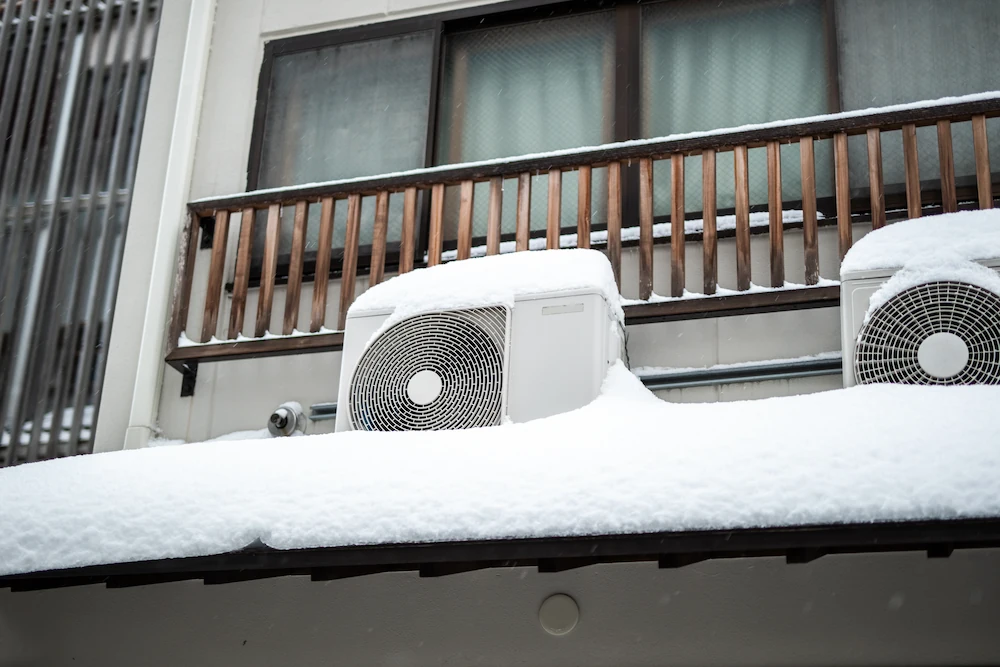
Ensure Flawless Heat Pump Functioning
As winter’s icy grip tightens, your heat pump works overtime to keep your home cozy. But how do you know if it’s struggling? Recognizing the signs you need a heat pump mid-winter check is crucial for maintaining comfort, energy efficiency, and preventive maintenance. Homeowners often overlook these subtle indicators, risking costly repairs when they need heat most. A simple mid-season inspection can prevent major headaches and sky-high utility bills. Let’s explore the key warning signs so your system stays in top shape, offering reliable HVAC solutions all winter long.
Unusual Noises: Your Heat Pump’s Cry for Help
One of the most obvious signs you need a heat pump mid-winter check is strange noises. Unusual sounds, like rattling, buzzing, or grinding, often indicate loose parts or worn components. These might seem minor, but they can quickly escalate if ignored.
A mid-winter check can catch small issues before they become major. Screeching or high-pitched whistling might signal problems with the fan motor or compressor. These are critical components that need prompt attention to avoid extensive damage. Remember, your heat pump should operate relatively quietly. Any persistent unusual noise is a clear indicator it’s time for a professional technician.
Declining Performance: When Comfort Takes a Nosedive
Constantly adjusting the thermostat or noticing cold spots and uneven heating? These are telltale signs you need a heat pump mid-winter check. A well-functioning heat pump maintains consistent temperatures without excessive cycling.
Reduced airflow from your vents is another red flag. This could indicate a clogged filter, ductwork issues, or problems with the blower motor. Regular maintenance, including air filter changes, is crucial for achieving your desired temperature.
If your unit is over 10 years old, consider a heat pump installation as newer models offer significantly improved efficiency. This will also help you stay comfortable and enjoy peace of mind during the cold months. Regular maintenance plays a key role in optimal performance.
Skyrocketing Energy Bills: The Hidden Cost of Neglect
Have you noticed higher energy bills without increased usage? This is a common sign you need a heat pump mid-winter check. As heat pumps age or develop problems, they become less efficient, consuming more energy to produce the same amount of heat.
A professional inspection can pinpoint the cause of this inefficiency. It might be a clogged filter or refrigerant leaks. Addressing these promptly can lead to significant energy savings. Regular maintenance helps your system work efficiently. As temperatures drop, don’t get left out in the cold.
The Impact of Proper Maintenance on Energy Efficiency
Regular maintenance is key to keeping your heat pump running efficiently and can save money on energy costs. Here’s a quick look at how maintenance affects energy consumption:
| Maintenance Level | Potential Energy Savings |
|---|---|
| No Maintenance | 0% (baseline) |
| Annual Check-up | Up to 15% |
| Bi-annual Check-up | Up to 25% |
These figures highlight the importance of regular maintenance, including mid-winter checks, for managing higher energy bills. Paying attention to the signs you need a heat pump mid-winter check can improve heating systems and allow you to save energy.
Ice Build-up: A Chilling Warning Sign
Some frost on your outdoor unit is normal during winter, but excessive ice build-up is a clear sign you need a heat pump mid-winter check. This can stem from refrigerant leaks, faulty defrost controls, or blocked drainage.
Ice accumulation impairs your heat pump’s efficiency and can cause lasting damage. If you notice ice covering a large portion of your outdoor unit, call a professional HVAC technician.
A cracked heat exchanger could be the cause of the issue. Ignoring a cracked heat exchanger can lead to costly breakdowns and carbon monoxide leaks. Catch small problems early and avoid a cracked heat exchanger. It is also a good idea to check that your carbon monoxide detectors are functioning correctly.
Age and History: When Time Takes Its Toll
Your heat pump’s age is crucial in determining if you need a mid-winter check. Heat pumps typically last 10-15 years with proper maintenance.
If yours is nearing or exceeding this, schedule regular check-ups. Consider its repair history, too.
Frequent repairs suggest you need a mid-winter check and possibly a replacement. While the upfront cost of a new unit can be significant, it offers improved efficiency and reliability. Having good HVAC services will extend the life of your heat pumps.
Indoor Air Quality Issues: More Than Just Comfort
Poor indoor air quality can be a sign you need a heat pump mid-winter check. Increased dust, unusual odors, or more frequent allergies and respiratory issues? Your heat pump might be the culprit.
A malfunctioning heat pump can circulate dust, pollen, and other allergens. Regular maintenance, including filter changes and duct cleaning, are crucial for clean air and a well-maintained HVAC system.
For added air purification, consider spider plants or peace lilies to naturally filter the air. Dirty air and poor airflow can be attributed to a clogged filter. If your heat pump isn’t providing good indoor air quality there is a good chance you need to get a professional to look at it.
The Importance of Professional Mid-Winter Checks
While changing filters can be a DIY project, a mid-winter check requires professional expertise. HVAC technicians have the tools and knowledge to inspect for potential issues so that your heat pump typically performs better. Strange noises mean you should contact HVAC services. Make sure your system runs properly and your heat pump isn’t overworked.
They can check refrigerant levels and identify leaks, inspect electrical connections, and clean and adjust blower components. They also lubricate moving parts to reduce friction and wear, and calibrate thermostat settings for optimal performance.
Catch problems early before small issues become costly. This can mean looking for things like unusual sounds and making sure warm air comes through your vents and heats your home to your desired temperature. A heat pump typically has a smooth hum, but it might sound a bit louder during a defrost cycle.
Unusual sounds that seem louder than normal operation or that last longer than expected could be signs that your heat pump isn’t operating as it should be. This will often cause the heat pump to work harder, wasting more energy and resulting in more costly breakdowns in the long run. Unusual sounds and an increase in your utility bills could be related to problems in the unit. An unusual noise coming from your heat pump, combined with uneven heating and poor indoor air quality can indicate that something is wrong.
Investing in professional maintenance extends your heat pump’s life and improves its efficiency. Contact a professional today to determine if it’s time for a mid-winter heat pump check.
Preparing for Your Mid-Winter Check
If you need a mid-winter check, be sure to clear the area around your outdoor unit and change or clean your air filter.
Note any specific issues you’ve noticed. Ensure easy access to your indoor unit for the technician. Taking these steps will mean your technician can provide you better HVAC solutions and help keep your heat pump running reliably throughout winter long.
These steps streamline the inspection process, ensuring a thorough system check. Monoxide detectors will help protect you if a problem occurs.
Signs You Need a Heat Pump Mid-Winter Check: Final Thoughts
Recognizing the signs you need a heat pump mid-winter check is vital for a comfortable, efficient home during the cold months. From unusual noises and declining performance to rising energy bills and ice build-up, these indicators shouldn’t be ignored.
Regular maintenance, including professional mid-winter checks, prevents minor issues from becoming major problems, saving you money and headaches. By addressing concerns promptly, you’ll ensure a warm, cozy home all winter. By acting early, you can avoid significant problems that can result from carbon monoxide leaks from things like a cracked heat exchanger. Taking good care of your unit will improve its efficiency and will also help you catch small issues, like loose parts, and get those issues repaired quickly by a professional.
Contact us today for more information or to schedule a free consultation.