
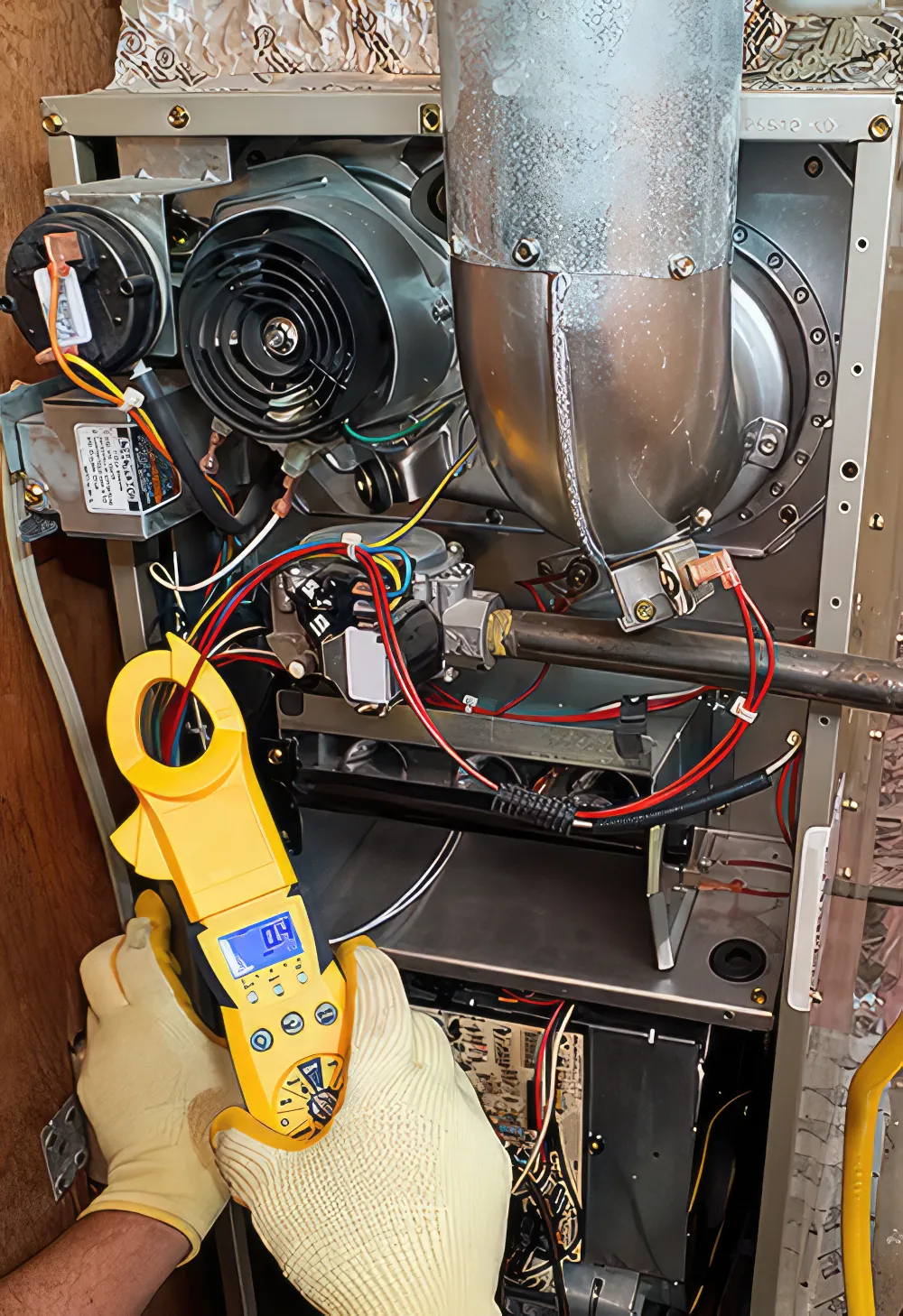
Why Your Furnace Is Short-Cycling in Winter
When your furnace is short-cycling, it means your heating system turns on and off too quickly before completing a full heating cycle. This happens when your furnace runs for a short time, shuts off, then starts again minutes later. Short-cycling wastes energy, increases your heating bills, and can damage your furnace over time. Common causes include dirty air filters, thermostat problems, oversized furnaces, or blocked vents. The good news is that many short-cycling issues can be fixed easily, while others might need professional help. Understanding why your furnace is short-cycling is the first step to solving this winter heating problem.
Table of Contents
What Short-Cycling Looks Like: Common Signs
| Normal Furnace Operation | Short-Cycling Furnace |
|---|---|
| Runs for 10-15 minutes per cycle | Runs for only 2-3 minutes before shutting off |
| Maintains steady temperature | Temperature fluctuates frequently |
| Cycles 3-6 times per hour | Cycles 8+ times per hour |
| Quiet operation between cycles | Frequent clicking and starting sounds |
| Consistent energy bills | Higher than normal energy bills |
Common Causes of Furnace Short-Cycling
Understanding why your furnace is short-cycling helps you fix the problem faster. Let’s look at the most common reasons your heating system might be turning on and off too quickly.
Dirty or Clogged Air Filters
The most common reason your furnace is short-cycling is a dirty air filter. When filters get clogged with dust and dirt, they block airflow through your system. This makes your furnace work harder to push air through.
When airflow is restricted, heat builds up inside your furnace. This triggers the high-limit switch, which turns off your furnace to prevent overheating. Once the furnace cools down, it starts again, creating a short-cycling pattern.
Fixing this problem is simple. Check your air filter and replace it if it looks dirty. Most filters should be changed every 1-3 months during winter when your furnace runs more often.
Thermostat Issues
Your thermostat tells your furnace when to turn on and off. When it’s not working right, your furnace is short-cycling as a result. Several thermostat problems can cause this:
- Bad location: If your thermostat is near a heat source (like direct sunlight, a lamp, or kitchen appliances), it might think your home is warmer than it really is.
- Incorrect settings: Temperature settings that are too high or a fan set to “on” instead of “auto” can cause short-cycling.
- Wiring problems: Loose or damaged wires can send wrong signals to your furnace.
- Battery issues: Low batteries in digital thermostats can cause erratic behavior.
Try replacing the batteries in your thermostat first. If that doesn’t work, check if it’s level on the wall and away from heat sources. You might need to call a professional if these simple fixes don’t solve the problem.
Oversized Furnace
Bigger isn’t always better when it comes to furnaces. If your furnace is too large for your home, it will heat your space too quickly. This causes your furnace to shut off before completing a full heating cycle.
An oversized furnace is short-cycling because it reaches the thermostat’s set temperature too fast. Then it shuts off, the house cools quickly, and the cycle repeats. This is like using a fire hose to fill a small cup – it’s too much power for the job.
Unfortunately, fixing an oversized furnace usually means replacing it with a properly sized unit. A heating professional can perform a load calculation to determine the right size furnace for your home.
Blocked Vents or Registers
Closed or blocked air vents create the same problem as dirty filters – restricted airflow. When warm air can’t flow freely through your home, heat builds up in the furnace, triggering the safety switch.
Walk through your home and check that all vents are open and not blocked by furniture, rugs, or curtains. Even if you don’t use certain rooms, keep the vents open to maintain proper airflow throughout your heating system.
Flame Sensor Problems
The flame sensor is a safety device that detects whether your furnace’s burner is lit. If it’s dirty or faulty, it might not sense the flame properly. This makes your furnace shut down shortly after starting as a safety measure.
A dirty flame sensor is a common reason your furnace is short-cycling in older systems. The sensor can become coated with carbon deposits over time. A heating technician can clean or replace the flame sensor to fix this issue.
More Serious Causes of Short-Cycling
While some causes of short-cycling are easy to fix, others point to more serious problems with your heating system.
Overheating Heat Exchanger
The heat exchanger is the part of your furnace that transfers heat from the combustion process to the air that circulates through your home. If it overheats, safety switches will shut down your furnace.
Several things can cause an overheating heat exchanger:
- Restricted airflow (from dirty filters or closed vents)
- Mechanical failures
- Age and wear
This is a serious issue that needs professional attention. A cracked heat exchanger can leak carbon monoxide into your home, which is dangerous.
Faulty Limit Switch
The limit switch is a safety device that turns off your furnace if it gets too hot. If this switch is broken, it might shut down your furnace too early or too late.
If your furnace is short-cycling and you’ve ruled out other causes, the limit switch might be the culprit. This requires a professional repair, as it involves working with electrical components.
Low Refrigerant (For Heat Pumps)
If you have a heat pump system rather than a traditional furnace, low refrigerant levels can cause short-cycling. The refrigerant is what transfers heat, and without enough of it, the system can’t work properly.
Signs of low refrigerant include ice buildup on the outdoor unit and poor heating performance. This requires a professional to find and fix the leak, then recharge the system with the correct amount of refrigerant.
How to Fix a Short-Cycling Furnace
Now that you know why your furnace is short-cycling, let’s look at how to fix it. Some solutions are simple DIY tasks, while others require professional help.
DIY Solutions You Can Try First
Before calling a professional, try these simple fixes:
- Replace the air filter: This is the easiest and most common fix. Check your filter and replace it if it’s dirty.
- Check your thermostat: Replace batteries, make sure it’s level, and check that it’s not near heat sources.
- Open all vents and registers: Make sure air can flow freely throughout your home.
- Check for blocked exhaust vents: Make sure the outdoor exhaust pipe isn’t blocked by snow, leaves, or animal nests.
- Reset your furnace: Turn off the power to your furnace for 30 seconds, then turn it back on. This can sometimes reset the system and fix minor glitches.
When to Call a Professional
Call a heating professional if:
- Your furnace is short-cycling even after trying the DIY solutions
- You hear unusual noises like banging, scraping, or squealing
- Your carbon monoxide detector is going off
- Your furnace is more than 15 years old
- You notice a burning smell
- Your energy bills have suddenly increased
A professional can diagnose and fix more complex issues like:
- Flame sensor problems
- Limit switch failures
- Heat exchanger issues
- Blower motor problems
- Control board malfunctions
Preventing Future Short-Cycling Problems
The best way to deal with a short-cycling furnace is to prevent the problem in the first place. Regular maintenance can help keep your heating system running smoothly.
Regular Maintenance Tips
- Change air filters regularly: Mark your calendar to check filters monthly during winter.
- Schedule annual tune-ups: Have a professional inspect and clean your furnace before each heating season.
- Keep vents clear: Don’t place furniture or rugs over floor vents.
- Install a programmable thermostat: This can help maintain more consistent temperatures.
- Check for drafts: Seal windows and doors to prevent cold air from affecting your thermostat readings.
The Importance of Proper Furnace Sizing
If you’re installing a new furnace, make sure it’s properly sized for your home. A professional should perform a load calculation that considers:
- Your home’s square footage
- Ceiling height
- Insulation levels
- Window efficiency
- Local climate
A properly sized furnace will run longer, more efficient cycles, saving you money and extending the life of your system.
The Costs of Ignoring a Short-Cycling Furnace
When your furnace is short-cycling, it’s easy to ignore if your home still feels warm enough. However, this problem can lead to serious consequences if left unaddressed.
Higher Energy Bills
Short-cycling wastes energy because your furnace uses the most energy when it first starts up. When it starts and stops repeatedly, you’re paying for all those energy-intensive startups without getting the efficient operation that follows.
Many homeowners see higher heating bills when their furnace is short-cycling. Over a winter, this can add hundreds of dollars to your energy costs.
Reduced Furnace Lifespan
A furnace that short-cycles experiences more wear and tear on its components. It’s like city driving versus highway driving for your car; all those starts and stops are hard on the system.
This extra stress can reduce your furnace’s lifespan. Instead of lasting 15-20 years, your furnace might need replacement after just 7-10 years.
Uneven Heating
When your furnace is short-cycling, some areas of your home may not get enough heat before the system shuts off. This creates cold spots and temperature swings that make your home less comfortable.
Rooms furthest from the furnace typically suffer the most, as warm air might not have time to reach them during short cycles.
Frequently Asked Questions About Furnace Short-Cycling
How long should my furnace run in one cycle?
A properly functioning furnace typically runs for 10-15 minutes per cycle during moderate winter weather. In very cold weather, cycles might be longer. If your furnace runs for less than 5 minutes before shutting off, it’s likely short-cycling.
Can a dirty furnace filter cause short-cycling?
Yes, a dirty filter is one of the most common reasons your furnace is short-cycling. When airflow is restricted, your furnace can overheat and shut down as a safety measure. Changing your filter regularly can prevent this problem.
Is furnace short-cycling dangerous?
Short-cycling itself isn’t immediately dangerous, but it can lead to dangerous situations. An overheating furnace or cracked heat exchanger can release carbon monoxide. Always have working carbon monoxide detectors in your home and address short-cycling promptly.
Will short-cycling damage my furnace?
Yes, continued short-cycling will damage your furnace over time. The frequent starting and stopping puts extra wear on components like the igniter, control board, and blower motor. This can lead to premature failure and costly repairs.
Solving Your Furnace Short-Cycling Problems
When your furnace is short-cycling, it’s trying to tell you something is wrong. The good news is that many causes have simple solutions you can handle yourself, like changing filters or checking thermostat settings.
For more complex issues, don’t hesitate to call a professional. The cost of a service call is much less than the cost of a damaged furnace or the wasted energy from continued short-cycling.
Regular maintenance is your best defense against short-cycling and other furnace problems. By taking care of your heating system, you’ll enjoy more comfortable, efficient, and reliable heat throughout the winter.
If you’re experiencing furnace short-cycling or any other heating issues this winter, don’t wait until your system fails completely. Contact Alamo Heating and Cooling today to schedule a professional inspection and get your heating system running smoothly again.