

Make Smarter Offers by Understanding the Home’s HVAC
Heating and cooling can make or break how comfortable your new Vacaville home feels, especially when the summer heat kicks in. Before you fall in love with the kitchen or the backyard, it helps to understand what is going on with the HVAC system. A quick walkthrough during showings, paired with your home inspection, can save you from surprise repairs later.
With a simple checklist, you can spot signs of age, poor installation, or comfort problems. You can also see where there is good upgrade potential. Our goal is to help you ask better questions, see red flags early, and know when it is time to bring in a professional for a deeper look.
Start Outside: System Age, Permits, and Red Flags
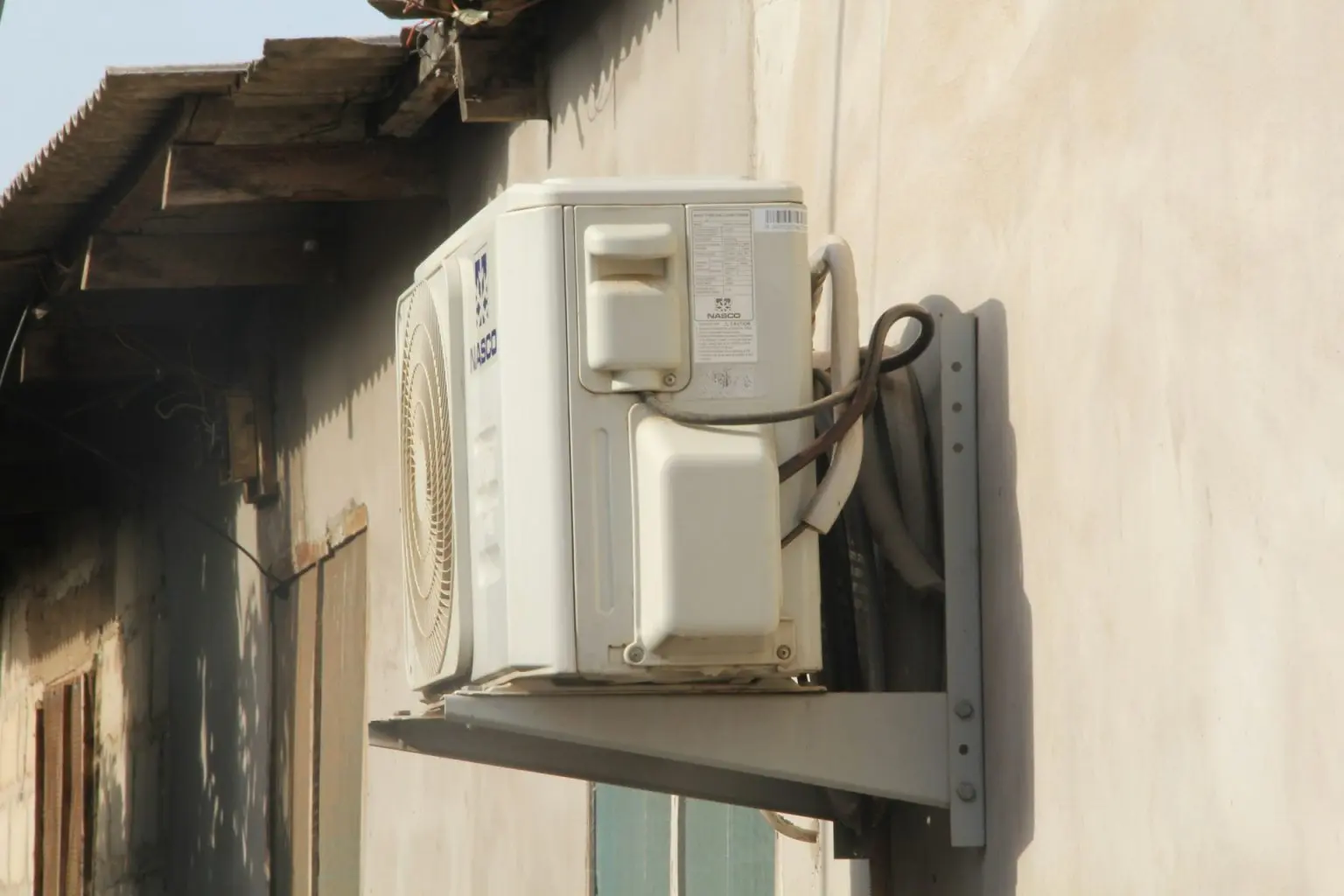
Your HVAC check can start in the yard. The outdoor AC unit tells you a lot about age, care, and efficiency.
Look for the metal data plate or sticker on the outdoor condenser. It usually shows:
- Manufacturer and model number
- Serial number, which can be used to find the age
- Efficiency rating, like SEER for AC
Many AC systems reach the end of their typical life around 10 to 15 years in a climate like Vacaville. Older does not always mean bad, but it often means more wear and a higher chance of repair or replacement after you move in. Newer, higher-efficiency systems can help lower power bills and keep rooms more stable in both hot and cool weather.
Ask the seller or agent about permits for HVAC work. Permitted jobs are usually inspected for safety and basic code standards. When you walk around the unit, check for signs that the install might have been rushed, like:
- A crooked or sinking concrete pad
- Loose or messy wiring
- No visible outdoor service disconnect nearby
- Unit squeezed too close to a wall or fence
Then scan for outdoor red flags. Heavy rust, lots of bent fins, loud banging or grinding during a showing, or oily spots around refrigerant connections can all point to problems. Thick plant growth or stacked items blocking the sides of the unit cut off airflow and can shorten the life of the system. Ask if there are service records or a maintenance log so you know how often the system has been checked.
Inside the Home: Furnace, Ductwork, and Airflow Comfort
Once you are inside, find the furnace or air handler. This might be in a garage, closet, attic, or crawlspace. You do not need to open panels, just look and smell.
Note anything that feels off:
- Rust, corrosion, or water stains on or around the unit
- Strong gas smell, sharp chemical odor, or burning odor
- Lots of taped-together parts or random add-ons
An HVAC system that is too large can short cycle and leave some rooms stuffy. One that is too small might run nonstop and still not keep up. Ask your home inspector what they think about the size of the equipment for the square footage. A professional who provides residential HVAC services in Vacaville can take that further and help you decide if an older furnace is still safe and efficient enough for long-term use.
Next, take a basic look at the ducts if you can see them in the attic or crawlspace. Watch for ducts that are:
- Crushed or sharply bent
- Disconnected from the main trunk or from vents
- Bare metal with no insulation in hot or unconditioned spaces
Inside the living areas, check supply and return vents. Dirty grilles and dust streaks around vents can point to leaky ducts or long gaps between filter changes. Rooms with no clear return air path can feel stuffy and hard to cool. Even a high-efficiency system will struggle if the ducts are leaking or restrictive.
While you walk through the home, pay attention to comfort. Stand in each room for a moment and feel for weak airflow, hot or cold corners, or closed-off spaces. Note any problem rooms so you can ask the inspector, and later a local HVAC pro, if those issues are likely duct related, system related, or both. Many comfort gaps can be helped with duct repairs, better balancing, zoning, or a planned system upgrade.
Thermostats, Filters, and Indoor Air Quality Essentials
The thermostat is the “brain” of the system. During the showing, ask if you can switch from cooling to heating and back, and bump the setpoint a few degrees to see if the system responds. Slow or no response can point to control or equipment issues. If the home has a basic manual thermostat, you may have a good chance to improve comfort and energy use with a modern smart thermostat later.
Smart controls can:
- Help manage Vacaville’s hot afternoons with better schedules
- Allow remote control from your phone
- Give you better insight into run times and comfort patterns
We often help homeowners choose thermostat options that match their daily routine and efficiency goals.
Next, try to locate the HVAC filter. It may be at a return grille or inside the furnace or air handler. Check:
- Filter size and how easy it is to access
- Current filter condition, very dirty or fairly clean
- MERV rating printed on the frame
Higher MERV filters can catch smaller particles, which can be helpful if anyone has allergies or respiratory concerns. But going too high without a system designed for it can reduce airflow and stress the equipment. Ask how often the filter has been changed and why that filter type was chosen.
Indoor air quality signs are also worth noting. Look for dark streaks around vents, heavy dust, or musty smells when the system turns on. These can be clues of duct issues, moisture problems, or a need for better filtration or air cleaning. Residential HVAC services in Vacaville often include options like upgraded filters, air cleaners, and other add-ons that can be built into a complete comfort and air quality plan tailored to your family.
Refrigerant Lines, Insulation, and Energy Efficiency Potential
If you can see the refrigerant line set that runs between the outdoor unit and the indoor coil, take a quick look. The thicker line should be covered in foam insulation. If the insulation is missing, falling apart, or split open, the system can lose efficiency. Kinks, crushed sections, or visible corrosion are also warning signs. Any oily residue on the lines or around connections can suggest a leak that needs professional attention.
Energy efficiency is about more than just the equipment. Peek into the attic or other accessible areas to see how ducts and spaces around them are insulated. Thin or patchy insulation, especially over duct runs, means the HVAC system has to work harder to keep your home comfortable. Sealing leaks and adding insulation, combined with a higher-efficiency system, can make a big difference in comfort and power use.
If the current system is old, or clearly struggling, think of it as an opportunity. After closing, you can choose a system that matches how you want the home to feel, not just what happened to be there when you bought it. When we work with new homeowners, we ask about:
- Hot or cold rooms that bug them the most
- How low they want their bills to be
- Noise levels and air quality needs
We then talk through options, including higher-efficiency systems that can often be made more affordable than many expect, sometimes even more appealing than a basic standard-efficiency replacement once you factor in comfort and likely energy savings.
When to Call a Professional Before You Close
There are times when a quick walkthrough is not enough. It is smart to bring in an HVAC pro if:
- The AC or furnace is around 10 to 15 years old or older
- There are big comfort complaints, like one level that never cools
- You see damaged or disconnected ducts
- There is no clear permit history for recent HVAC work
A general home inspector usually checks that the system runs, but they do not do the same deep testing and evaluation that an HVAC specialist will. A focused HVAC visit can look closer at safety, efficiency, and realistic remaining life so you are not guessing on one of the largest systems in your new home. Using an insured local company adds peace of mind that you are getting experienced eyes on the equipment.
At Alamo Heating and Cooling in Vacaville, we take a personalized approach. We ask about your comfort goals, any current system issues, your budget, and how important efficiency is to you. Then we can separate “fix now” items from things that can wait, like future system upgrades, duct improvements, or indoor air quality changes. Once you move in, planning regular maintenance and having a trusted team ready for true HVAC emergencies can help protect your investment and keep your new home comfortable from day one. We are insured, and provide 24/7 emergency service specifically for urgent breakdowns, so you are not left without help when you need it most.
Get Started With Your Project Today
If your home comfort is suffering, we are ready to help you restore reliable heating and cooling. Learn more about our residential HVAC services in Vacaville and let Alamo Heating and Cooling handle the repairs or upgrades you need. Reach out today through our contact page to schedule an appointment or request a quote.