
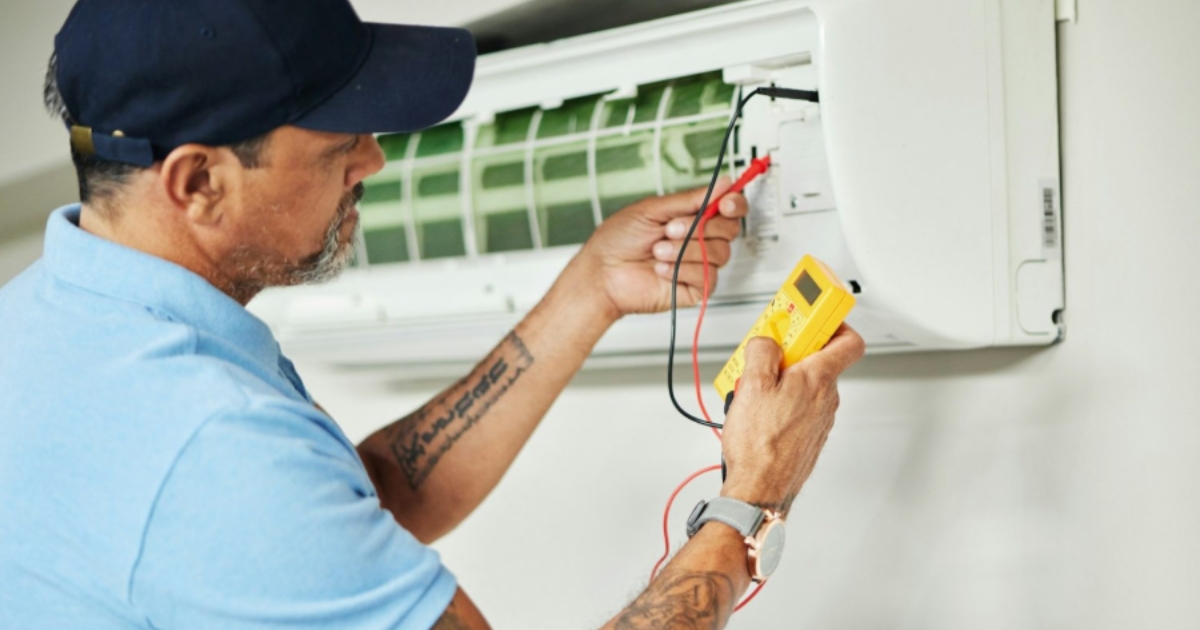
How Long Does a Heat Pump Last?
A heat pump typically lasts between 10 and 20 years, with the average heat pump lifespan being about 15 years. Many factors affect how long your heat pump will work well, including how often you maintain it, the brand quality, how it was installed, your local climate, and how much you use it. Regular maintenance can add 5-10 years to your heat pump’s life, while neglect can cut its lifespan short. Understanding your heat pump’s expected lifetime helps you plan for replacement and make smart decisions about repairs versus replacement when problems arise.
Table of Contents
Heat Pump Lifespan by Type
Different types of heat pumps have varying lifespans based on their design and installation environment:
| Heat Pump Type | Average Lifespan | Key Factors Affecting Durability |
|---|---|---|
| Air-Source Heat Pumps | 10-15 years | Weather exposure, maintenance frequency |
| Ground-Source (Geothermal) | 15-25 years (indoor components) 50+ years (ground loops) | Professional installation quality, soil conditions |
| Ductless Mini-Splits | 12-20 years | Filter cleaning, proper sizing |
| Water-Source Heat Pumps | 15-20 years | Water quality, proper water flow |
Signs Your Heat Pump Is Nearing the End of Its Lifespan
Knowing when your heat pump is reaching the end of its useful life can help you plan for replacement before a complete breakdown occurs. Here are key warning signs to watch for:
Rising Energy Bills
If your energy bills are climbing even though your usage habits haven’t changed, your heat pump may be losing efficiency. As heat pumps age, they work harder to produce the same heating and cooling output. This increased effort shows up directly on your utility bills.
A sudden spike of 15-20% in your energy costs without explanation often signals that your heat pump is struggling to maintain efficiency.
Frequent Repairs
When repair calls become more common, it’s a clear sign your heat pump is wearing out. If you’ve needed repairs more than twice in the past year, your system is likely entering the final phase of its heat pump lifespan.
The repair costs add up quickly. A good rule to follow is the “$5,000 rule” – multiply the repair cost by the age of your unit in years. If the result exceeds $5,000, replacement is usually more economical than repair.
Inconsistent Temperatures
Do some rooms feel too hot while others remain chilly? Aging heat pumps often struggle to distribute air evenly throughout your home. This happens because components like the compressor and fan motors wear down over time.
If you’re constantly adjusting your thermostat but still can’t get comfortable, your heat pump may be nearing retirement age.
Strange Noises or Smells
Unusual sounds like grinding, scraping, or squealing indicate mechanical problems. Similarly, odd smells (especially burning odors) suggest electrical issues or overheating components.
These symptoms often appear in heat pumps that have reached 75-80% of their expected heat pump lifespan.
Factors That Affect Heat Pump Durability
Several key factors determine whether your heat pump will last closer to 10 years or 20 years. Understanding these can help you maximize your HVAC equipment longevity.
Installation Quality
Proper installation is perhaps the most important factor in heat pump durability. A system that’s incorrectly sized or improperly installed will face extra strain from day one.
Studies show that over 50% of heat pumps are installed incorrectly, reducing efficiency by up to 30% and shortening lifespan by 5-7 years. Always choose certified professionals for installation to ensure your system reaches its full potential lifespan.
Maintenance Frequency
Regular system maintenance is crucial for extending heat pump lifespan. Heat pumps that receive professional tune-ups twice yearly last 20-40% longer than neglected systems.
During maintenance visits, technicians clean coils, check refrigerant levels, lubricate moving parts, and identify small issues before they become major problems. This preventive care dramatically improves heat pump durability.
Climate and Usage Patterns
Heat pumps in extreme climates work harder than those in moderate regions. In very hot or cold areas, your system runs more frequently and at higher capacities, accelerating wear and tear.
Similarly, a heat pump that runs constantly will age faster than one that operates less frequently. If your system runs more than 3,000 hours annually (about 8 hours daily), expect a shorter heat pump lifespan.
Brand Quality and Design
Not all heat pumps are created equal. Premium brands typically use higher-quality components, better engineering, and more rigorous testing. While these units cost more upfront, they often last 3-5 years longer than budget models.
Research shows that top-tier heat pumps have 30% fewer breakdowns in the first 10 years compared to economy models.
How to Extend Your Heat Pump’s Lifespan
With proper care, you can maximize your heat pump’s useful years and postpone your heat pump replacement timeline. Here are proven strategies to extend your system’s life:
Create a Maintenance Schedule
Consistent system maintenance is the single most effective way to extend heat pump lifespan. Schedule professional tune-ups twice yearly – ideally in spring and fall before heavy usage seasons.
Between professional visits, perform these simple monthly tasks:
- Check and replace air filters (dirty filters can reduce lifespan by up to 2 years)
- Clear debris from outdoor units (leaves, twigs, dirt)
- Ensure vents and registers are unblocked
- Listen for unusual noises that might indicate problems
Reduce System Strain
Your heat pump works less when your home needs less heating and cooling. These simple steps reduce system strain:
- Improve insulation in attics, walls, and crawl spaces
- Seal air leaks around windows, doors, and ductwork
- Use ceiling fans to improve air circulation
- Install a programmable thermostat to avoid unnecessary operation
- Keep blinds closed during summer days and open during winter days
These improvements can reduce system workload by 10-30%, directly extending your heat pump’s useful years.
Keep Outdoor Units Clean and Clear
The outdoor portion of your heat pump needs space to breathe. Maintain at least 2 feet of clearance around all sides of the unit. Trim back shrubs, clean off leaves and debris regularly, and ensure the unit stays level on its pad.
During winter, gently remove snow and ice buildup from the top and sides of the unit. Never use sharp tools that might damage the fins or coils.
Monitor Refrigerant Levels
Proper refrigerant charge is essential for heat pump durability. Low refrigerant levels force your system to work harder, potentially shortening its lifespan by years. Have a professional check refrigerant levels during maintenance visits.
Unlike older systems that might need refrigerant “topped off,” modern heat pumps are sealed systems. If you’re losing refrigerant, there’s a leak that needs repair.
Heat Pump Replacement Timeline: When to Replace vs. Repair
Even with excellent care, every heat pump eventually reaches the end of its useful life. Knowing when to repair and when to replace can save you money and prevent comfort disruptions.
The 50% Rule
When repair costs approach 50% of a new system’s price, replacement usually makes more sense than repair. This is especially true if your heat pump is already past the 10-year mark.
For example, if a new heat pump would cost $6,000, think carefully before spending $3,000 on repairs for an aging unit. The money might be better invested in a new, more efficient system.
Efficiency Considerations
Heat pump technology has improved dramatically in recent years. Today’s models are 20-40% more efficient than units manufactured just 10 years ago. This efficiency gap means that replacing an older, functioning unit can sometimes pay for itself through energy savings.
Calculate potential savings by comparing your current unit’s SEER/HSPF ratings with modern equivalents. Higher ratings mean greater efficiency and lower operating costs.
Refrigerant Type
If your heat pump uses R-22 refrigerant (phased out since 2020), replacement is often more practical than repair. R-22 is increasingly expensive and difficult to obtain, making repairs costly.
Newer systems use environmentally friendly refrigerants like R-410A or R-32, which are more readily available and often more efficient.
Matching Indoor and Outdoor Components
Heat pumps work as matched systems with indoor and outdoor components designed to work together. If one half needs replacement, replacing both units together usually provides better performance and reliability.
Mismatched systems can reduce efficiency by 20-30% and often experience more frequent breakdowns, shortening overall HVAC equipment longevity.
Frequently Asked Questions About Heat Pump Lifespan
How often should I replace my heat pump filter?
Standard 1-inch filters should be checked monthly and typically need replacement every 30-90 days. Thicker filters (3-4 inches) may last 6-9 months. Homes with pets, allergies, or high dust levels require more frequent changes. Clean filters can extend heat pump lifespan by reducing strain on the system.
Can a heat pump last 25 years?
While possible, a 25-year heat pump lifespan is exceptional. Geothermal heat pumps have the best chance of reaching this milestone, with some indoor components lasting 20+ years and ground loops functioning for 50+ years. Air-source heat pumps rarely exceed 20 years, even with perfect maintenance.
Is it worth repairing a 15-year-old heat pump?
Generally, major repairs on a 15-year-old heat pump aren’t economically sensible. At this age, the system has reached or exceeded its expected heat pump lifespan, and efficiency has likely declined significantly. Minor repairs under $500 might be worthwhile if the system otherwise functions well, but substantial repairs usually indicate it’s time for replacement.
How much can regular maintenance extend heat pump lifespan?
Professional maintenance performed twice yearly can extend heat pump lifespan by 3-5 years or more. This represents a 20-30% increase in service life. The return on investment for maintenance is substantial, with each $100 spent potentially saving $1,000+ in premature replacement costs.
Do more expensive heat pumps last longer?
Premium heat pumps typically last 2-5 years longer than budget models due to higher-quality components, better engineering, and more robust construction. While the initial cost is higher, the extended heat pump lifespan and improved efficiency often make them more economical over time. The price difference usually reflects genuine quality differences rather than just brand prestige.
Making Smart Decisions About Your Heat Pump’s Future
Understanding heat pump lifespan helps you make informed decisions about your home comfort system. By recognizing the signs of an aging system and knowing the factors that affect durability, you can plan appropriately for maintenance or replacement.
Remember that regular system maintenance is the most effective way to maximize your heat pump’s useful years. The small investment in twice-yearly professional tune-ups can add significant time to your heat pump replacement timeline.
When replacement time does arrive, consider it an opportunity to upgrade to a more efficient system that will provide better comfort and lower operating costs for years to come.
For expert guidance on maintaining your current heat pump or selecting a replacement system, contact Alamo Heating and Cooling. Our professionals can help evaluate your system’s condition and recommend the best options for your home’s comfort needs.