The Role of HVAC Systems in Reducing Indoor Allergens: A Complete Guide
HVAC systems play a crucial role in reducing indoor allergens by filtering air, controlling humidity, and improving ventilation. These systems can remove up to 99.97% of airborne particles, including dust mites, pet dander, pollen, and mold spores. The role of HVAC systems in reducing indoor allergens is especially important for allergy sufferers, as Americans spend about 90% of their time indoors. With proper maintenance and the right components, your HVAC system can significantly improve your home’s air quality and reduce allergy symptoms.
Table of Contents
How HVAC Systems Filter Out Allergens
The role of HVAC systems in reducing indoor allergens begins with their filtering capabilities. Your HVAC system pulls air from your home, passes it through filters, and then recirculates the cleaned air. This continuous cycle helps remove allergens that would otherwise float freely in your home.
Standard HVAC filters can capture larger particles like dust and lint. However, for allergy sufferers, higher-efficiency filters are recommended. These specialized filters can trap microscopic allergens that regular filters might miss.
The Filtration Process
When your HVAC system runs, it creates airflow throughout your home. This airflow picks up allergens and carries them to the system’s filter. The filter then traps these particles, preventing them from being recirculated back into your living spaces.
The effectiveness of this process depends on your filter’s MERV (Minimum Efficiency Reporting Value) rating. Filters with higher MERV ratings can capture smaller particles. For allergy relief, experts recommend filters with MERV ratings between 8 and 13.
Humidity Control and Allergen Reduction
Another important aspect of the role of HVAC systems in reducing indoor allergens is humidity control. Many allergens, especially dust mites and mold, thrive in humid environments. Your HVAC system helps maintain optimal humidity levels (between 30-50%), making your home less hospitable to these allergens.
During summer, air conditioning removes excess moisture from the air. In winter, heating systems can sometimes make the air too dry, which may require a humidifier. Balanced humidity is key to minimizing allergen growth and spread in your home.
Key HVAC Components That Combat Allergens
Understanding the role of HVAC systems in reducing indoor allergens means knowing which components do the heavy lifting. Several parts of your system work together to improve air quality and reduce allergens.
Air Filters: Your First Line of Defense
Air filters are the most obvious component in allergen reduction. They come in various types:
- Fiberglass filters: Basic and inexpensive, but only catch larger particles
- Pleated filters: More effective at trapping smaller allergens
- HEPA filters: Can remove up to 99.97% of particles as small as 0.3 microns
- Electrostatic filters: Use an electric charge to attract and trap allergens
For those with allergies, HEPA filters offer the best protection, though they may require system modifications to accommodate their density.
Air Purifiers and Cleaners
Many modern HVAC systems include or can be equipped with air purifiers. These devices enhance the role of HVAC systems in reducing indoor allergens by adding extra layers of filtration or using technologies like UV light to kill bacteria and viruses.
Whole-home air purifiers work with your HVAC system to clean all the air circulating through your home. They’re more effective than portable units that only clean the air in a single room.
Ventilation Systems
Proper ventilation is crucial for allergen control. Energy Recovery Ventilators (ERVs) and Heat Recovery Ventilators (HRVs) bring fresh outdoor air into your home while expelling stale indoor air. This helps dilute indoor allergen concentrations.
These systems are especially valuable in newer, tightly sealed homes where allergens might otherwise build up due to limited natural air exchange.
Maintaining Your HVAC System for Allergy Relief
Regular maintenance is essential to maximize the role of HVAC systems in reducing indoor allergens. A well-maintained system works more efficiently and provides better air quality.
Filter Replacement Schedule
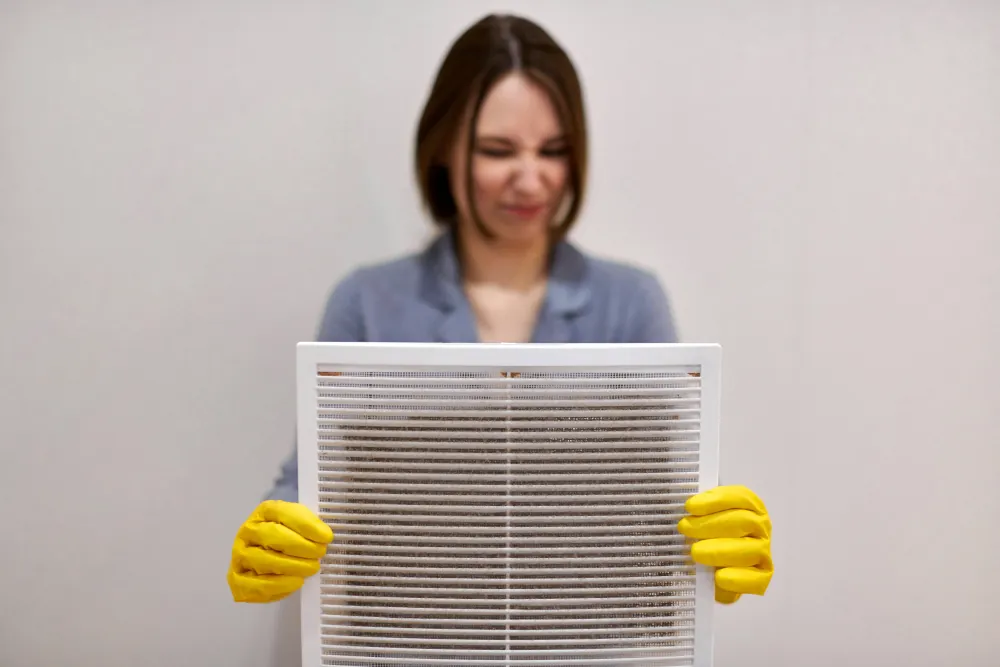
The most important maintenance task is replacing your air filters regularly. For allergy sufferers, filters should be checked monthly and replaced at least every 90 days. During high pollen seasons or if you have pets, you might need to replace them more frequently.
A dirty filter can’t effectively trap allergens and may even become a source of allergens itself. Plus, clogged filters force your system to work harder, reducing efficiency and potentially shortening its lifespan.
Duct Cleaning and Sealing
Over time, dust and allergens can build up in your ductwork. Professional duct cleaning every 3-5 years can help remove these accumulated allergens. This is especially important if you’ve recently renovated your home or if you notice visible mold or excessive dust coming from your vents.
Sealing leaky ducts also prevents allergens from being pulled into your system from attics, crawl spaces, or between walls. This improves both air quality and energy efficiency.
Professional Maintenance Checks
Annual professional inspections are crucial for maintaining the role of HVAC systems in reducing indoor allergens. During these visits, technicians will:
- Clean the evaporator and condenser coils
- Check refrigerant levels
- Inspect and clean the blower
- Ensure proper drainage
- Check for mold or bacterial growth
These maintenance tasks keep your system running efficiently and prevent it from becoming a source of allergens itself.
Current Pollen Conditions in Vacaville, CA
Residents of Vacaville, California, are currently experiencing high pollen counts, making the role of HVAC systems in reducing indoor allergens especially important. In 2025, the spring pollen season has been particularly intense due to the region’s warm climate and diverse plant life.
Vacaville’s Pollen Challenge
Vacaville’s location in Solano County means it’s exposed to multiple pollen sources. Oak, mulberry, and grass pollens are currently at peak levels. The city’s Mediterranean climate creates perfect conditions for extended pollen production, with warm, dry summers and mild, wet winters.
Current pollen counts in Vacaville are averaging in the “high” to “very high” range, with readings between 9.7 and 11.2 on the pollen index. These levels can trigger significant symptoms even in people with mild allergies.
How Local HVAC Systems Can Help
For Vacaville residents, properly maintained HVAC systems are essential during high pollen seasons. When pollen counts are elevated, it’s recommended to:
- Keep windows and doors closed
- Run your HVAC system’s fan continuously to filter more air
- Consider temporarily upgrading to higher MERV-rated filters
- Change filters more frequently (every 30-45 days)
The role of HVAC systems in reducing indoor allergens becomes even more critical during these peak pollen periods. Your system creates a protected indoor environment when the outdoor air is loaded with allergens.
Vacaville-Specific HVAC Considerations
Vacaville’s climate presents unique challenges for HVAC systems. The hot summers mean air conditioners run frequently, providing good filtration but requiring more maintenance. The mild winters may lead to less heating system use, potentially allowing allergens to accumulate.
Local HVAC professionals recommend Vacaville residents schedule maintenance just before peak pollen season begins. This ensures your system is ready to provide maximum protection when you need it most.
Upgrading Your HVAC System for Better Allergen Control
If you suffer from severe allergies, you might consider upgrading components of your HVAC system to enhance the role of HVAC systems in reducing indoor allergens. Several technologies can significantly improve your indoor air quality.
Advanced Filtration Options
Beyond standard filters, consider these advanced options:
- True HEPA filtration systems: These can be added to existing HVAC systems with some modifications
- Electronic air cleaners: These use an electrical charge to trap particles and can be very effective for smaller allergens
- MERV 13+ filters: These hospital-grade filters catch very small particles but may require system adjustments to handle the restricted airflow
Before upgrading to very high-efficiency filters, consult with an HVAC professional to ensure your system can handle the increased air resistance.
UV Light Purification
UV light systems can be installed inside your HVAC system to kill mold, bacteria, and viruses as air passes through. While they don’t physically remove allergens like filters do, they prevent biological contaminants from growing inside your system and being distributed throughout your home.
These systems are particularly effective when combined with high-efficiency filters, creating a comprehensive approach to indoor air quality.
Smart HVAC Systems
Modern smart HVAC systems enhance the role of HVAC systems in reducing indoor allergens through intelligent operation. These systems can:
- Monitor indoor air quality in real time
- Adjust filtration and airflow automatically
- Alert you when filters need changing
- Create usage patterns that maximize allergen removal
Smart thermostats can also help by maintaining optimal humidity levels and ensuring consistent air circulation throughout your home.
The Future of HVAC Technology and Allergen Reduction
The role of HVAC systems in reducing indoor allergens continues to evolve with new technologies. Understanding these innovations can help you plan for future upgrades.
Emerging HVAC Technologies
Several promising technologies are changing how HVAC systems handle allergens:
- Bipolar ionization: Creates charged particles that attach to and neutralize allergens
- Photocatalytic oxidation: Uses light-activated catalysts to break down biological contaminants
- Air quality monitoring integration: Systems that automatically adjust based on detected allergen levels
These technologies represent the cutting edge of the role of HVAC systems in reducing indoor allergens, offering more targeted and efficient approaches.
Sustainable Allergen Control
Newer HVAC systems are also focusing on energy efficiency while maintaining excellent allergen control. Heat pump technology, variable-speed motors, and zoned systems all contribute to better air quality with lower energy consumption.
These sustainable approaches ensure that the role of HVAC systems in reducing indoor allergens doesn’t come at the cost of increased energy use or environmental impact.
Personalized Allergen Management
The future of HVAC allergen control is becoming increasingly personalized. Systems can now be tailored to address specific allergen concerns:
- Customized filtration for particular allergen types
- Zone-based purification that focuses on bedrooms or other high-priority areas
- Programmable operation based on outdoor allergen forecasts
This personalization maximizes the role of HVAC systems in reducing indoor allergens that matter most to your household.
Conclusion: Breathing Easier with Proper HVAC Management
The role of HVAC systems in reducing indoor allergens cannot be overstated. From basic filtration to advanced purification technologies, your HVAC system is your home’s first line of defense against airborne allergens. For Vacaville residents currently facing high pollen counts, a well-maintained system is especially valuable.
Regular maintenance, timely filter changes, and appropriate upgrades can dramatically improve your indoor air quality. Whether you’re dealing with seasonal allergies or year-round sensitivities, your HVAC system can help create a healthier indoor environment.
Don’t underestimate the role of HVAC systems in reducing indoor allergens and the impact it can have on your quality of life. With the right approach, you can breathe easier and enjoy your home without the constant worry of allergen exposure.
Ready to Improve Your Indoor Air Quality?
If you’re concerned about indoor allergens, especially during Vacaville’s high pollen season, it’s time to ensure your HVAC system is working optimally. Contact Alamo Heating and Cooling professionals today to schedule a comprehensive system evaluation. We’ll help you understand the role of HVAC systems in reducing indoor allergens in your specific home and recommend the most effective solutions for your needs. Book your appointment now and take the first step toward cleaner, healthier indoor air!