
How to Cool Your Garage or Home Addition in California
California’s hot climate can make garages and home additions uncomfortably warm. Effective garage cooling in California is essential for comfort and protecting your belongings. The good news is you have many options to keep these spaces cool, from simple fixes to more advanced systems. This guide covers everything you need to know about cooling your garage or home addition in the Golden State.
Table of Contents
Understanding the California Heat Challenge
California’s climate varies greatly depending on where you live. Coastal areas might be mild, while inland regions can reach over 100°F in summer. This heat makes garage cooling in California a real challenge for homeowners.
Most garages aren’t built with cooling in mind. They often lack insulation and have large metal doors that absorb heat. When the sun beats down on your garage door all day, the space can become much hotter than the outside temperature.
Home additions face similar problems if they weren’t designed with proper cooling. Many additions were built quickly without considering California’s intense summer heat. This oversight can make these spaces unusable during hot months without proper cooling solutions.
Why Garage Cooling Matters
Garage cooling in California isn’t just about comfort. Extreme heat can damage items stored in your garage, including:
- Cars (heat can damage paint and interior)
- Power tools and electronics
- Paint, chemicals, and other temperature-sensitive materials
- Stored food items
If you use your garage as a workshop, gym, or living space, cooling becomes even more important. Nobody wants to work out or pursue hobbies in a space that feels like an oven!
Simple and Affordable Garage Cooling Solutions
You don’t need to spend thousands of dollars on garage cooling in California. Here are some budget-friendly options that can make a big difference:
Improve Ventilation
Good airflow is the first step in garage cooling. Installing vents in your garage walls or ceiling helps hot air escape. Roof vents are especially effective since heat rises.
Adding windows that open can dramatically improve cross-ventilation. If adding windows isn’t possible, consider installing a garage door with windows that can be opened separately from the main door.
Ceiling fans are another affordable option. They create air movement that makes the space feel cooler. For about $100-200, a good ceiling fan can make your garage much more comfortable.
Portable Cooling Options
Portable fans are the simplest garage cooling in California solution. Box fans in windows can pull hot air out while drawing cooler air in. Position one fan facing outward in a window or door on the sunny side, and another facing inward on the shady side.
Evaporative coolers (swamp coolers) work well in dry California regions. These units cool air by evaporating water and can lower temperatures by 15-20 degrees. They use much less electricity than air conditioners but aren’t effective in humid coastal areas.
Portable air conditioners are more expensive but provide reliable cooling. They require a way to vent hot air outside, usually through a window or wall. While they use more energy than fans or evaporative coolers, they’re effective throughout California.
Insulation and Heat Reduction
Insulating your garage is one of the most effective garage cooling in California strategies. Adding insulation to walls and ceilings helps keep heat out and cool air in.
Insulated garage doors make a huge difference since doors are often the largest surface exposed to the sun. Many companies offer retrofit insulation kits for existing doors.
Reflective window film can block up to 80% of the sun’s heat while still allowing light in. This simple addition can significantly reduce temperatures in garages with windows.
Advanced Cooling Systems for Garages and Additions
For those willing to invest more in garage cooling in California, these options provide reliable, long-term solutions:
Mini-Split Air Conditioners
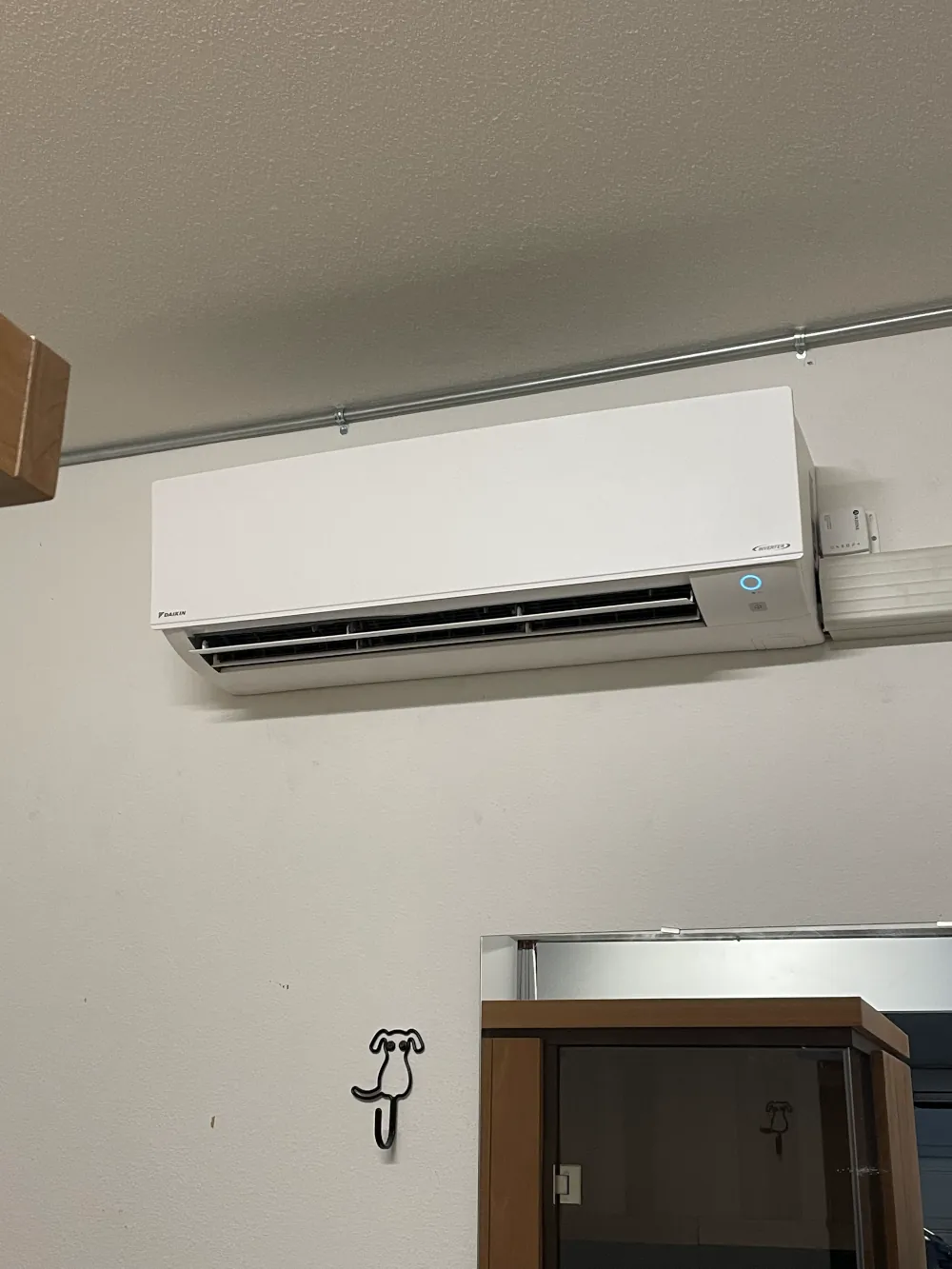
Mini-split systems are ideal for garage cooling in California. These ductless units include an outdoor compressor and an indoor air handler. They’re energy-efficient and can cool your space quickly.
Installation costs range from $3,000-$5,000, but they’re a permanent solution that adds value to your home. They’re particularly good for converted garages or home additions used as living spaces.
Mini-splits operate quietly and can be controlled with a remote. Many newer models connect to smart home systems, allowing you to control the temperature from your phone.
Extending Your Home’s HVAC System
If your garage or addition is attached to your house, extending your existing HVAC system might be possible. This involves adding ductwork and vents to connect the space to your central air.
This option provides consistent cooling but requires professional installation. Costs vary widely depending on your current system and the complexity of the installation.
Before choosing this option, have an HVAC professional evaluate whether your existing system has enough capacity to cool the additional space. If not, you might need to upgrade your entire system.
Window Air Conditioners
Window units are a middle-ground solution for garage cooling in California. They’re more powerful than portable units but less expensive than mini-splits.
Installation is relatively simple if you have suitable windows. Most units cost between $200-$500 depending on cooling capacity.
The downside is that window units can be noisy and less energy-efficient than mini-splits. They also take up window space, which might be limited in a garage.
Energy-Efficient Cooling Strategies
California’s high electricity rates make energy efficiency crucial for garage cooling. These strategies help keep costs down:
Passive Cooling Techniques
Shade trees planted on the south and west sides of your garage can significantly reduce heat gain. While trees take time to grow, they provide natural cooling for decades.
Cool roofing materials reflect sunlight instead of absorbing it. If you’re replacing your garage roof, consider light-colored or specially designed “cool roof” materials.
Proper attic ventilation prevents heat buildup that can radiate down into your garage. Ridge vents, soffit vents, or attic fans help hot air escape before it warms your space.
Smart Cooling Schedules
Cooling your garage only when needed saves energy. Programmable thermostats let you set cooling schedules based on when you use the space.
For workshop garages, consider cooling the space only during your working hours. If you’re cooling a home gym, schedule cooling for your workout times.
Smart thermostats take this further by learning your patterns and optimizing cooling automatically. Some can even detect when you’re home and adjust accordingly.
California Rebates and Incentives
California offers various rebates and incentives for energy-efficient cooling solutions. These can significantly reduce the cost of garage cooling in California.
The Home Energy Renovation Opportunity (HERO) program provides financing for energy-efficient home improvements, including cooling systems.
Many local utilities offer rebates for energy-efficient cooling equipment. Check with your provider about available programs before purchasing new equipment.
DIY vs. Professional Installation
Some garage cooling in California solutions are DIY-friendly, while others require professional help:
What You Can Do Yourself
Installing fans, portable air conditioners, and basic insulation are projects most homeowners can handle. These DIY options provide immediate cooling without major investment.
Adding reflective window film is another simple DIY project. The materials cost around $30-$100 depending on window size, and installation takes just a few hours.
Weather-stripping doors and windows to prevent hot air infiltration is an easy weekend project. This simple step improves the efficiency of whatever cooling system you choose.
When to Call the Professionals
Mini-split systems, central air extensions, and whole-house fans require professional installation. These systems involve electrical work and sometimes structural modifications.
Professional installation ensures your system works efficiently and safely. It also typically includes warranties that protect your investment.
For complex garage cooling in California solutions, get multiple quotes from licensed contractors. Ask about their experience with similar projects and check references before hiring.
Frequently Asked Questions
What’s the most affordable way to cool my garage in California?
Improving ventilation with fans is the most affordable garage cooling in California option. Box fans in windows, ceiling fans, and portable fans can significantly improve comfort for under $200 total. Combining fans with reflective window film and door insulation provides even better results while still keeping costs low.
Do I need permits for garage cooling in California?
Simple solutions like fans and portable units don’t require permits. However, permanent installations like mini-splits, extending HVAC systems, or adding electrical circuits typically require permits. Check with your local building department before starting any major cooling project to ensure compliance with California building codes.
How much does garage cooling in California typically cost?
Costs vary widely based on your chosen solution:
- Fans and basic ventilation: $100-$300
- Portable air conditioners: $300-$700
- Window air conditioners: $200-$500
- Insulation improvements: $500-$1,500
- Mini-split systems: $3,000-$5,000
- Extending central HVAC: $2,000-$6,000
What’s the best cooling solution for a garage workshop?
For a garage workshop, a mini-split air conditioner offers the best combination of cooling power, energy efficiency, and noise control. The initial investment is higher, but the system will provide years of reliable cooling while you work. If budget is a concern, a portable air conditioner combined with good insulation and fans can be effective for occasional use.
How can I cool my garage without electricity?
While challenging, you can improve garage cooling in California without electricity by:
- Installing passive vents that allow hot air to escape
- Adding reflective barriers on the roof and walls
- Using light-colored exterior paint to reflect heat
- Planting shade trees around the garage
- Opening doors and windows during cooler morning hours, then closing and sealing the space
Is garage cooling in California worth the investment?
If you use your garage regularly for anything beyond parking, cooling is definitely worth the investment. It protects valuable tools and belongings, makes the space usable year-round, and can even increase your home’s value. For home additions used as living space, proper cooling is essential for comfort and preventing moisture problems.
Ready to Improve Your Garage Cooling in California?
Effective garage cooling in California doesn’t have to be complicated or extremely expensive. By starting with simple improvements like better ventilation and insulation, you can make your garage or home addition more comfortable right away.
For year-round comfort, consider investing in a permanent cooling solution that matches your budget and needs. Whether you choose a mini-split system, window unit, or extended HVAC, the comfort you’ll gain makes it worthwhile.
Remember that in California’s climate, combining multiple approaches often works best. A well-insulated garage with good ventilation requires less energy to cool, saving you money in the long run.
Ready to transform your hot, uncomfortable garage or home addition into a cool, usable space? Contact Alamo Heating and Cooling for a consultation and quote on the best garage cooling in California solutions for your specific situation. Beat the heat and start enjoying your space all year round!