
Choosing the right heating system for your home in Fairfield is a big decision—one that impacts comfort and your wallet. It can feel overwhelming sorting through options like a furnace or heat pump systems, especially with energy efficiency at the top of everyone’s minds.
You’re likely wondering: which is right for my home? Well, the answer depends on several factors, including your climate, budget, and priorities. Let’s break down the differences and dive into a detailed comparison.
Heat Pumps vs. Furnaces: How They Work
Although both ultimately aim to keep your house warm, they go about it quite differently. This fundamental difference plays a significant role in their suitability for various situations.
How a Furnace Heats Your Home
Furnaces work by burning fuel—most commonly natural gas, heating oil, or propane—to generate heat. Think of them like a traditional fireplace; they combust fuel to create warmth.
Furnaces use a system of ducts and vents to distribute this heat throughout your house. While effective at raising temperatures quickly, relying on constant combustion makes furnaces less environmentally friendly than other heating methods.
Additionally, as with all combustion processes, safety becomes a key concern with gas, oil, or propane furnaces. They pose a risk of carbon monoxide leaks if not properly maintained.
How a Heat Pump Heats Your Home
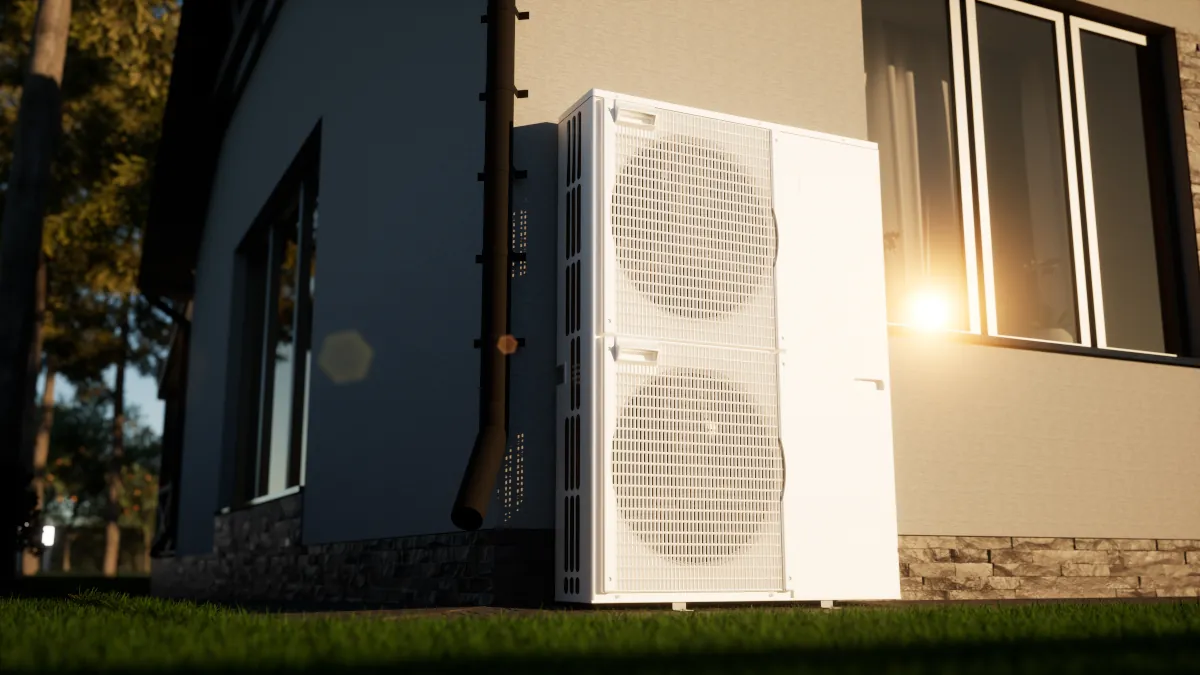
Instead of generating heat directly like a furnace, a heat pump transfers it. They operate on electricity, using refrigerant to absorb heat from the outdoor air and move it indoors during the winter.
Amazingly, even in relatively cold temperatures, heat energy exists in the air. Heat pumps take advantage of this and utilize it to warm your house. During warmer months, they can reverse the process, acting as air conditioners by extracting heat from your home and releasing it outside.
This dual functionality of a heat pump makes it a popular choice for many homeowners.
Factors to Consider When Choosing a Furnace or Heat Pump
Now that you have a grasp of the fundamental differences, let’s look at what you need to consider when deciding between a furnace or heat pump for your home.
1. Climate Plays a Crucial Role
As heat pumps draw heat from the surrounding air, their efficiency drops as outdoor temperatures plummet. While today’s models can function in colder climates, their heating output might struggle to keep up when the mercury really dips. In regions with harsh winters, gas furnaces generally come out on top for reliable heating.
Conversely, in milder climates, heat pumps make a lot of sense. In areas with moderate winters and substantial cooling needs during the summer months, heat pumps truly shine as they act as both heating and cooling systems.
They excel in warmer climates with substantial air conditioning needs, proving both versatile and energy-efficient. They are also a good option for Fairfield homeowners looking for central air.
2. Upfront Cost: Furnaces Often Cost Less Initially
Generally, installing a new gas furnace tends to be cheaper upfront than installing a heat pump system. But this can be misleading and vary if your home doesn’t already have gas lines or requires extensive ductwork.
If you factor in installing gas lines and ductwork (which can easily add thousands to the cost), the initial price difference might be much smaller. Additionally, if you need to install an air handler or water heater, the costs can add up quickly.
Be sure to factor in all associated installation costs when making your decision.
3. Long-Term Costs & Energy Efficiency
Although gas furnaces frequently boast a lower sticker price, evaluating the long-term cost and energy efficiency of both systems is vital for making a practical decision.
Modern heat pumps use electricity to move heat rather than generate it, making them incredibly energy efficient. In fact, today’s models can reduce your electricity use for heating by up to 75% compared to electric resistance heating such as baseboard heaters and furnaces.
Their ability to cool as well adds to their overall value. Depending on electricity costs in your region, a heat pump can result in significant savings on your energy bills in the long run. Remember that energy prices can fluctuate. The Energy Information Association states that prices for essential energy sources like natural gas and electricity tend to be less predictable compared to other commodity prices.
Electric furnaces, although considered 100% energy efficient in directly converting electricity to heat, can cost almost 2.5 times more than a typical heat pump to produce an equivalent amount of heat.
4. Maintenance & Lifespan
A well-maintained gas furnace can often last two decades or even longer, while heat pumps typically have a lifespan of around 15 years. Both systems benefit from regular maintenance like changing air filters.
However, furnaces might require less frequent servicing because their primary heating components are used for a shorter period throughout the year. Consider the maintenance requirements of each system when making your choice.
Additionally, think about potential repair costs down the line, as older systems are more likely to experience issues.
5. Ductwork: A Deciding Factor
An often-overlooked factor in choosing a heating system is ductwork. Furnaces, by design, rely on ductwork to deliver the heat they produce throughout your home. Heat pumps can also utilize ductwork, making them easily compatible with existing systems in many homes.
But what if your home lacks ductwork? Don’t worry. Around 12%-25% of homes have systems without ductwork, and this is where a ductless mini-split heat pump system makes a lot of sense. These systems are incredibly versatile, perfect for homes where installing ductwork isn’t feasible.
Ductless heat pumps work by installing individual indoor units in each room, eliminating the need for extensive duct systems. This can be a major advantage for older homes or those without existing ductwork.
Benefits of a Dual Fuel System
Can’t decide? Maybe you don’t have to. Homeowners in climates with extremely cold winters like Fairfield can get, can benefit from a hybrid setup known as a dual fuel system.
A dual-fuel system combines an electric heat pump with a gas furnace, leveraging the strengths of both. This offers the best of both worlds, allowing you to enjoy energy-efficient heating with the reliability of a furnace.
The heat pump provides energy-efficient heating during milder temperatures. Then, if the temperature drops significantly, the system automatically switches to the furnace, ensuring continuous comfort no matter how cold it gets outside.
Here’s how it works. In a dual fuel system, the system intelligently switches to the gas furnace when the heating demands exceed what the electric heat pump can handle. The gas furnace kicks in until the desired indoor temperature is reached. This smart combination optimizes energy use while ensuring you never face a “too cold” scenario.
The Bottom Line: It’s All About the Right Fit
So, furnace or heat pump? Sadly, there’s no “one size fits all” winner. Choosing the perfect heating system depends entirely on your individual circumstances.
Consider factors such as your local climate, the size of your home, your budget, and your desired level of energy efficiency. It’s important to weigh the pros and cons of each system before deciding.
Conclusion
Picking the right system, whether a furnace or heat pump, is crucial. Thinking about upfront costs, potential long-term savings, environmental impact, your home’s layout, and your region’s typical climate will help guide you toward the system that fits you best.
Contact us today for more information or to schedule a free consultation.