
Replacing your HVAC system can feel like a huge task. How do you even begin to choose the right HVAC system? This guide provides a solid foundation for choosing the right HVAC system with confidence.
Picking a new HVAC setup involves more than just checking the price tag. Consider factors including your home, lifestyle, and long-term costs.
Types of HVAC Systems
Several kinds of HVAC systems exist for different needs. Split systems, a common choice for central air, have separate indoor and outdoor units.
Split Systems
Split systems are popular for their versatility and effectiveness. These typically pair an air conditioner with a furnace, offering separate cooling and heating. Heat pumps combine heating and cooling, making them suitable for moderate climates. They are available in various sizes, so you can pick the correct HVAC size for your sq ft.
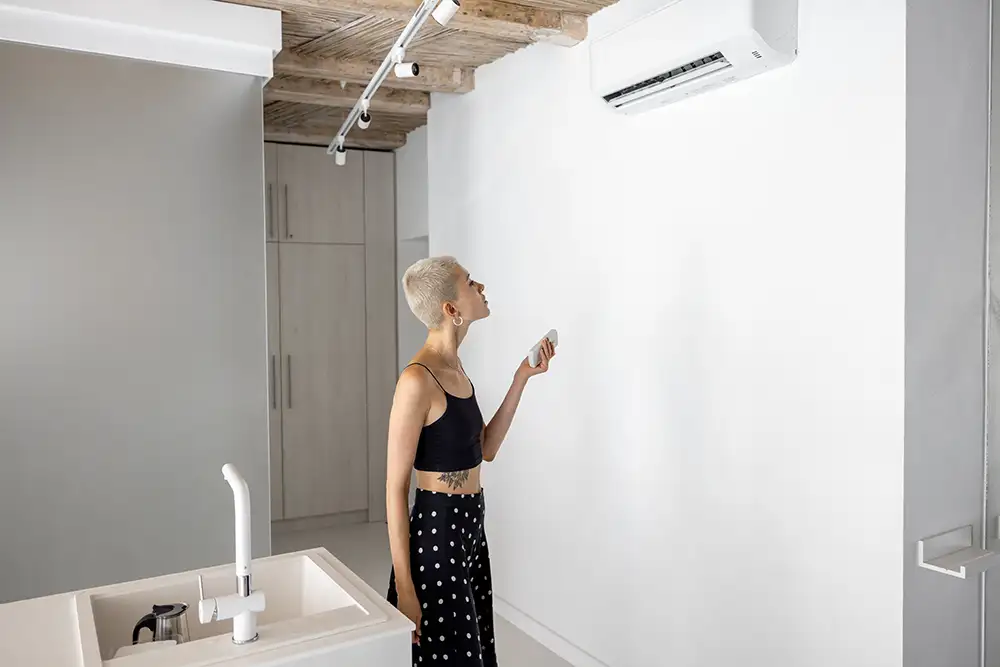
Ductless mini-split systems are ideal for rooms without existing ductwork. They offer targeted temperature control. If adding ducts isn’t feasible, mini splits can even create a whole-home system.
Packaged Systems
Packaged systems combine heating and cooling in one compact outdoor unit. These systems are convenient to install, save space, and typically work best with existing air ducts. Packaged systems are typically installed on a roof or concrete slab. Due to them coming pre-assembled, sometimes HVAC installation costs are cheaper for packaged units, however, you should verify with your air conditioning contractor as this is not always the case.
Geothermal Systems
Geothermal HVAC systems offer consistent temperature control by exchanging heat with the ground. These energy-efficient systems work well in moderate climates, though they may have higher initial installation costs. They are known as one of the more energy-efficient HVAC systems available, and their operation is based on factors including the earth’s thermal energy.
How to Choose the Right HVAC System for You
Choosing the right HVAC system can feel overwhelming, but knowing where to start helps. Consider what factors are most important to you. Are energy-saving qualities the biggest deciding factor? How important is air quality to you?
Assess Your Current Setup and Needs
When upgrading, examine your existing HVAC system. Upgrading may require fewer installation modifications, often making it a more affordable choice. Are your systems heating your house adequately?
Consider your home’s climate, the number of rooms, and sun exposure. Also, factor in your monthly energy budget. What’s missing in your current setup? Determine which HVAC unit best addresses your needs.
Prioritize your needs. Do you prioritize efficiency, perhaps justifying the higher upfront cost of geothermal heat pump systems? Or do you value individual room temperature control and minimal visual impact of ductless HVAC systems?
Factor in Climate and Energy Sources
Your climate plays a crucial role in selecting a new AC and heating system. While high-efficiency HVAC systems have a higher initial price, they can significantly reduce utility bills, especially units with higher SEER or HSPF ratings.
Consider your fuel source options when replacing heating equipment. Natural gas and propane are more cost-effective to operate than electricity or oil. Electric resistance heat strips can serve as a supplemental heating unit.
Determine the most readily available fuel source at your residence. Choosing the right heating system involves balancing efficiency and fuel availability.
Think Long Term: Maintenance, Lifespan, and Budget
Regular tune-ups are essential for maintaining efficient operation and extending the system’s lifespan, potentially up to 20 years or more. Schedule furnace maintenance in the fall and AC maintenance in the spring.
Be realistic about your budget. New HVAC systems average $5,000-$12,500 to install. Consider that installation costs vary depending on size, efficiency, ductwork, and other factors.
Consider Size and Efficiency
HVAC “size” refers to British Thermal Units (BTUs), indicating the heating or cooling capacity. Several tools are available online such as charts and the American Standard AC size calculator to help you size your HVAC system.
Use your home’s square footage and consider sun exposure to estimate needed capacity. Southern exposure requires more cooling capacity due to increased solar heat. For correct sizing for air conditioners or heat pumps, factor in both square feet and thermal units for the right balance.
For forced-air systems, evaluate the ductwork. Ensure proper sizing, strategic air return vent placement, and effective air filters. HEPA filtration can improve indoor air quality, removing allergens like pollen and pet dander. Consulting an HVAC professional can help address excess moisture and optimize air quality. This, in turn, will improve your overall comfort and energy efficiency levels.
Conclusion
Choosing the right HVAC system involves evaluating your home’s layout, size, climate, and budget. Find a balance between energy efficiency and cost, both short-term and long-term.
Consider maintenance requirements for long-term, trouble-free operation. Seek recommendations from friends, research top-rated systems, and consult local professionals for informed decisions. An HVAC contractor is your best resource to make the choice easier.
Maximize efficiency with features like a smart thermostat. Discuss options with a knowledgeable contractor to choose the right HVAC system. Enjoy reliable home comfort for years to come by properly planning your new air conditioners or heat pumps, based on what fuel type and cost best suits your individual situation.
Contact us today for more information or to schedule a free consultation.