
Choosing Between Central Air, Heat Pumps, and Mini Splits: A Simple Guide
When you need to cool or heat your home, you have three main choices: central air conditioning, heat pumps, or mini splits. Central air systems cool your whole house using ducts. Heat pumps can both cool and heat your home by moving heat in or out. Mini splits work without ducts and can cool or heat specific rooms.
The best choice depends on your home’s size, your climate, and how much money you want to spend. Central air is good for big homes in hot places, heat pumps work well in mild climates, and mini splits are perfect if you only need to cool certain rooms or don’t have ducts.
Skip to It
Understanding the Basics of Each System
Before making a choice, it’s important to know how each system works. Let’s break down these three cooling and heating options in simple terms.
Central Air Conditioning
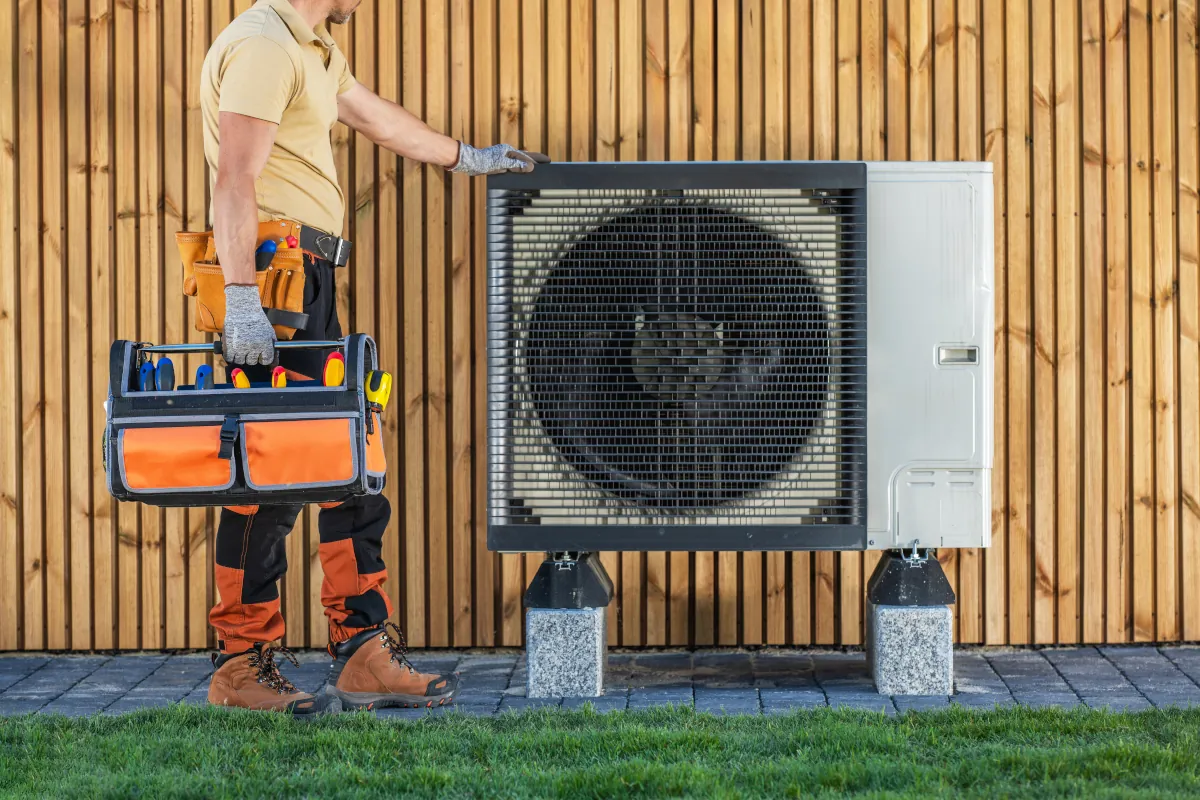
Central air conditioning is like a big cooling machine for your whole house. It has two main parts: an outdoor unit and an indoor unit. The outdoor unit sits outside your house and contains a compressor and condenser. The indoor unit usually connects to your furnace.
Central air uses ducts (big tubes) that run through your walls, floors, or ceilings. These ducts carry cool air to all the rooms in your house. When you turn on your central air, it pulls warm air from your house, cools it, and then sends the cool air back through the ducts.
One thing to remember is that central air only cools your home. If you want heat in winter, you’ll need a separate heating system like a furnace.
Heat Pumps
Heat pumps are super cool because they can both heat and cool your home! They work by moving heat instead of creating it. In summer, a heat pump takes heat from inside your house and moves it outside to keep you cool. In winter, it does the opposite – it finds heat outside (yes, even in cold air) and brings it inside to warm you up.
Heat pumps also use ducts to move air around your house, just like central air. They’re very efficient because moving heat takes less energy than creating it. This can save you money on your energy bills.
There are different types of heat pumps. Air-source heat pumps are the most common and move heat between your house and the outside air. Ground-source (or geothermal) heat pumps transfer heat between your house and the ground, which stays at a more constant temperature.
Mini Split Systems
Mini splits are like small, personal air conditioners for individual rooms. They’re also called “ductless” systems because – you guessed it – they don’t need ducts! This makes them perfect for older homes without ductwork or for adding cooling to a new room.
A mini split has an outdoor unit connected to one or more indoor units by a small conduit. The indoor units are mounted on walls or ceilings in different rooms. Each indoor unit can be controlled separately, so you can set different temperatures in different rooms.
Many mini splits are actually “mini split heat pumps,” which means they can both cool and heat. This gives you year-round comfort from one system. They’re also very efficient because they don’t lose energy through ductwork.
Comparing Costs: Installation and Operation
Money matters when choosing a cooling and heating system. Let’s look at what each option costs to install and run.
Installation Costs
Central Air Conditioning: Installing central air typically costs between $3,000 and $7,000. If your home doesn’t already have ducts, the price can jump to $10,000 or more because adding ductwork is expensive and disruptive.
Heat Pumps: Standard air-source heat pumps usually cost $4,000 to $8,000 to install. Like central air, this assumes you already have ducts. Ground-source heat pumps are much more expensive – often $10,000 to $30,000 – because they require digging to install underground loops.
Mini Splits: A single-zone mini split (cooling one room) might cost $1,500 to $2,500 to install. Multi-zone systems that cool several rooms can range from $3,000 to $10,000 depending on how many zones you need. While this might seem expensive, remember that mini splits don’t require ductwork, which can save money in homes without existing ducts.
Operating Costs
Central Air Conditioning: Modern central air systems are fairly efficient, but they still use quite a bit of electricity. Monthly cooling costs might range from $100 to $300 during summer, depending on your climate, home size, and electricity rates. Remember, you’ll also have separate heating costs in winter.
Heat Pumps: Heat pumps are very efficient, especially in moderate climates. They typically cost less to operate than central air plus a furnace. You might spend $50 to $200 per month for both heating and cooling. However, in very cold climates, heat pumps become less efficient and may need backup heating.
Mini Splits: These systems are usually the most energy-efficient option. Since you can control each room separately, you don’t waste energy cooling unused spaces. Monthly costs might be $30 to $150, depending on how many units you’re running. Many users report saving 30-40% on energy bills compared to central systems.
Long-Term Value
When thinking about costs, consider how long each system lasts:
- Central air systems typically last 15-20 years
- Heat pumps usually last 10-15 years
- Mini splits often last 15-20 years
Also think about maintenance costs. All systems need regular check-ups, but duct systems may need occasional cleaning, which adds to the cost.
Efficiency Factors to Consider
Efficiency isn’t just good for the planet – it’s good for your wallet too! Here’s how to understand efficiency when comparing these systems.
SEER Ratings Explained
SEER stands for Seasonal Energy Efficiency Ratio. It’s like a miles-per-gallon rating for your cooling system. The higher the SEER number, the more efficient the system.
Modern central air conditioners must have a minimum SEER of 13 or 14 (depending on where you live), but efficient models can reach SEER 21 or higher. Heat pumps and mini splits often have higher SEER ratings, with some mini splits reaching SEER 30+.
For every point increase in SEER, you can expect about a 7% reduction in cooling costs. So a SEER 16 system will cost about 14% less to run than a SEER 14 system.
HSPF for Heating Efficiency
If you’re looking at heat pumps or mini splits for heating, check the HSPF (Heating Seasonal Performance Factor) too. This measures heating efficiency. Modern heat pumps should have an HSPF of at least 8.2, but more efficient models reach 10 or higher.
Energy Loss Through Ducts
One big efficiency factor is often overlooked: duct losses. In central air and ducted heat pump systems, up to 30% of energy can be lost through leaky or poorly insulated ducts. This is especially true if your ducts run through unconditioned spaces like attics or crawl spaces.
Mini splits avoid this problem completely since they don’t use ducts. This is one reason why they’re often the most efficient option, especially for older homes with leaky ductwork.
Zone Control Benefits
Another efficiency advantage of mini splits is zone control. With central systems, you’re usually cooling or heating your entire house, even rooms you’re not using. With mini splits, you can set different temperatures in different rooms or turn off units in unused spaces.
This zone control can save significant energy. For example, you might keep your bedroom cool at night while turning off the living room unit, or keep your home office comfortable during the day without cooling the rest of the house.
Home Considerations: Size, Layout, and Climate
Your home itself plays a big role in which system makes the most sense. Let’s look at how different home factors affect your choice.
Home Size and Layout
For large, open-concept homes, central air or ducted heat pumps often make the most sense. These systems can efficiently cool large, connected spaces. If your home is already built with ductwork, using these ducts is usually practical.
For smaller homes or homes with unusual layouts, mini splits might be better. They’re also great for homes where different family members prefer different temperatures in their rooms.
If you have a multi-story home, remember that heat rises. Central systems sometimes struggle to keep upstairs rooms comfortable in summer. Mini splits can solve this by providing extra cooling just where it’s needed.
Climate Considerations
Your local weather plays a huge role in which system works best:
Hot, humid climates: Central air excels here because it’s designed specifically for cooling and can handle humidity well. Heat pumps also work well for cooling in these areas.
Mild climates: Heat pumps are often the best choice in places with moderate temperatures. They provide efficient heating and cooling without needing a separate furnace.
Cold climates: Traditional heat pumps used to struggle in very cold regions, but newer models work well even in cold temperatures. Look for “cold climate” heat pumps if you live somewhere with freezing winters. Mini splits also offer cold-climate models.
Dry climates: In dry areas, evaporative coolers (sometimes called “swamp coolers”) might be another option to consider, as they use much less energy than air conditioning but add moisture to the air.
Existing Infrastructure
What’s already in your home matters too:
Homes with ducts: If you already have good ductwork, central air or ducted heat pumps usually make sense.
Homes without ducts: Mini splits are usually the most practical option if your home doesn’t have ducts. Adding ductwork is expensive and disruptive.
Homes with hot water or steam heat: These homes typically don’t have ducts. Mini splits pair well with these heating systems for summer cooling.
Pros and Cons of Each System
Let’s summarize the good and bad points of each option to help you decide.
Central Air Conditioning
Pros:
- Cools your entire home evenly
- Hidden components (except the outdoor unit)
- Can be paired with air purification systems
- Often adds good resale value to your home
- Single thermostat makes operation simple
Cons:
- Requires ductwork, which is expensive to add if you don’t have it
- Only provides cooling (needs separate heating system)
- Cools the whole house even if you’re only using a few rooms
- Can be expensive to operate
- Duct cleaning and maintenance add to long-term costs
Heat Pumps
Pros:
- Provides both heating and cooling in one system
- More energy-efficient than separate heating and cooling systems
- Lower operating costs in moderate climates
- Environmentally friendly (no combustion for heating)
- Available in ducted or ductless options
Cons:
- Traditional models less efficient in extreme cold (though new models are better)
- Higher upfront cost than just an air conditioner
- May need backup heat source in very cold climates
- Ducted versions have the same ductwork issues as central air
- Typically shorter lifespan than central air
Mini Split Systems
Pros:
- No ductwork needed
- Zone control saves energy by cooling only rooms in use
- Very energy efficient
- Quiet operation
- Many models provide both heating and cooling
- Easy to add to existing homes
Cons:
- Indoor units are visible on walls or ceilings
- Higher upfront cost per square foot of space cooled
- Each room/zone needs its own indoor unit
- Multiple units mean more maintenance points
- May not add as much resale value as central systems
Making Your Decision: A Step-by-Step Approach
Feeling overwhelmed? Let’s break down the decision process into simple steps.
Step 1: Assess Your Home
First, look at what you’re working with:
- Do you already have ducts? If yes, central air or ducted heat pumps make sense.
- How big is your home? Larger homes might benefit from central systems.
- Do you need to cool your whole home or just certain rooms?
- What’s your current heating system? A heat pump might replace both heating and cooling.
Step 2: Consider Your Climate
Your local weather affects which system works best:
- Hot summers and cold winters? Central air plus a furnace is traditional, but modern heat pumps can work too.
- Mild climate? Heat pumps are often ideal.
- Very cold winters? Look for cold-climate heat pumps or stick with central air plus a furnace.
Step 3: Think About Your Budget
Be honest about what you can afford:
- Lowest upfront cost (with existing ducts): Central air
- Lowest upfront cost (without ducts): Single-zone mini split
- Lowest operating cost: Usually mini splits or heat pumps
- Best long-term value: Often heat pumps, as they handle both heating and cooling
Step 4: Consider Comfort Preferences
Think about how you like to live:
- Do family members prefer different temperatures? Mini splits offer zone control.
- Do you use all rooms equally? Central systems might make more sense.
- Is noise a concern? Mini splits are usually the quietest option.
- Do you mind seeing units on your walls? If yes, ducted systems hide components better.
Step 5: Get Professional Advice
Once you’ve thought about these factors, talk to a professional HVAC contractor. They can:
- Perform a load calculation to determine the right size system
- Inspect your home’s existing infrastructure
- Provide specific cost estimates for your situation
- Recommend specific models that meet your needs
Getting multiple quotes is always a good idea. Different contractors might recommend different approaches, giving you more information for your decision.
Step 6: Consider Future Needs
Finally, think ahead:
- How long do you plan to stay in your home?
- Might you finish additional space that would need cooling/heating?
- Are energy costs likely to rise in your area?
- Is your family growing or shrinking?
Choosing between central air, heat pumps, and mini splits is a big decision, but with these steps, you can find the right system for your home, climate, and budget.
Frequently Asked Questions
Which system is best for energy efficiency?
Mini splits are typically the most energy-efficient option because they avoid duct losses and allow for zone control. Heat pumps come in second, especially in moderate climates. Central air systems are generally the least efficient, though high-SEER models can be competitive.
Can I mix different systems in my home?
Yes! Many homeowners use a hybrid approach. For example, you might keep your central system for the main living areas but add a mini split for a hot upstairs bedroom or new addition. This can be a cost-effective way to solve specific comfort problems.
How long do these systems last?
With proper maintenance, central air systems typically last 15-20 years, heat pumps 10-15 years, and mini splits 15-20 years. Regular professional maintenance can extend the life of any system.
Which system is best for allergies?
Central air and ducted heat pumps can use high-efficiency air filters to remove allergens from your entire home. However, dirty ducts can sometimes make allergies worse. Mini splits have basic filtration but don’t filter air from the entire house at once.
Do I need a separate heating system with these options?
With central air conditioning, yes, you’ll need a separate heating system like a furnace. Heat pumps and mini split heat pumps provide both heating and cooling, though in very cold climates they might need a backup heat source.
Which system is quietest?
Mini splits are typically the quietest option inside your home. The indoor units run very quietly, and the compressor is outside. Central air and heat pumps can create noise from air rushing through ducts and vents.
Can these systems help with humidity?
All air conditioning systems remove some humidity as they cool. Central air systems are often best at dehumidification. Some heat pumps and mini splits have enhanced dehumidification modes. In very humid climates, you might need a separate dehumidifier regardless of which cooling system you choose.
Ready to Choose the Right System for Your Home?
Choosing between central air, heat pumps, and mini splits comes down to your specific home, climate, and needs. Central air works well for whole-house cooling in homes with ducts. Heat pumps offer efficient heating and cooling in one system. Mini splits provide flexibility and efficiency without requiring ductwork.
The best system for you depends on your home’s layout, your local weather, your budget, and your comfort preferences. By understanding the basics of each option, you can make a choice that keeps you comfortable year-round while keeping energy bills in check.
Ready to take the next step? Contact Alamo Heating and Cooling. We can provide specific recommendations and quotes based on your unique situation. Book an appointment today to start your journey toward better home comfort!